

 See My Latest Article on HelloNation
What Is the First Step After a Collision in Sioux City, IA?
After a vehicle accident in Sioux City, IA, the first step is usually documenting the damage and making sure everyone is safe. Once immediate concerns are addressed, most car owners will want to know what happens next. The process typically begins with a thorough inspection and assessment of the vehicle’s condition.
Local residents often start by gathering details for insurance claims and contacting the necessary agencies. In Sioux City, where winter driving and hailstorms are not uncommon, inspecting for both visible and hidden damage is especially important. This initial inspection can uncover issues not immediately obvious, such as structural or suspension problems caused by our rough winter roads or strong winds.
How Is Vehicle Damage Assessed?
Vehicle damage assessment in the city involves a mix of visual checks, digital imaging, and disassembly. The main goal is to fully identify all repairs needed.
First, an estimator or a trained technician examines the damaged areas and takes photographs for records and insurance purposes. In many cases, this involves lifting the car and inspecting the undercarriage, wheel wells, and frame rails, since Midwest roads and weather can trigger rust, corrosion, and hidden cracks.
Once surface damages are noted, a more in-depth teardown may be necessary. Taking apart affected sections can reveal secondary issues, such as wiring damage or alignment shifts, which aren’t always visible right away. It’s common for additional repairs to be discovered after this phase, resulting in updates to the repair plan—or a “supplement”—which must also be approved by the insurance company before further work continues.
What Does the Repair Planning Process Involve?
Repair planning is about mapping out exactly how the work will be done. After a thorough assessment, a written repair plan is created.
The plan outlines which parts need replacing, which can be repaired, specific materials to use, and the estimated timeline. In Sioux City, availability of replacement parts may affect scheduling, since some specialty components can require shipping, especially after heavy seasonal storms when supply chains are stressed. Technicians also have to factor in manufacturer guidelines, especially for newer vehicles with advanced electronics or aluminum body panels—features that are increasingly common in local cars.
During this planning stage, the owner is typically kept informed of expected costs, repair options, and any delays. For local residents, knowing about potential wait times is particularly important during extreme weather months when repair shops often deal with increased volume.
What Happens During the Actual Collision Repair?
The hands-on repair process involves several phases, each requiring specific skills and tools:
- Disassembly: Damaged sections are removed for detailed inspection and better access. This is sometimes called the "tear-down phase."
- Structural Repair: If the vehicle frame or unibody has shifted, specialized equipment is used to restore original dimensions. Many Sioux City vehicles see this step due to road salt exposure and hard winter impacts.
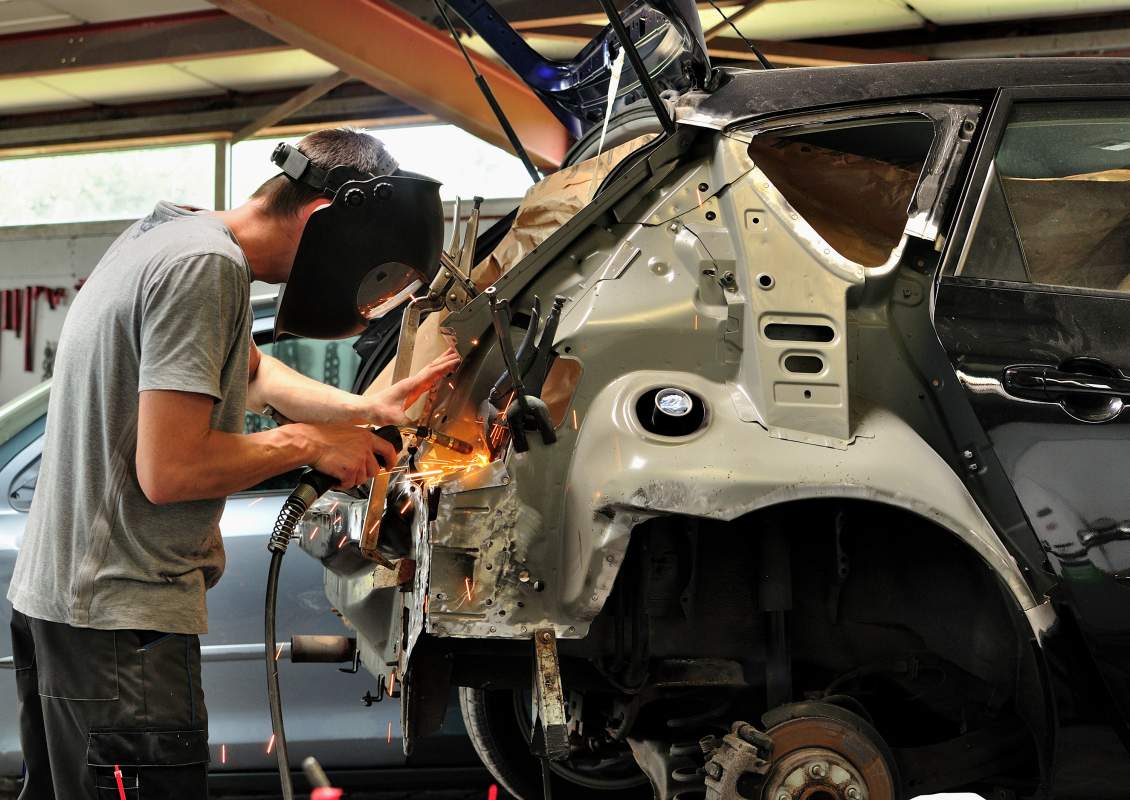
- Body Repair and Metal Work: Technicians repair or replace panels, ensuring gaps and seams meet factory standards. Welding, pulling, and smoothing are common processes.
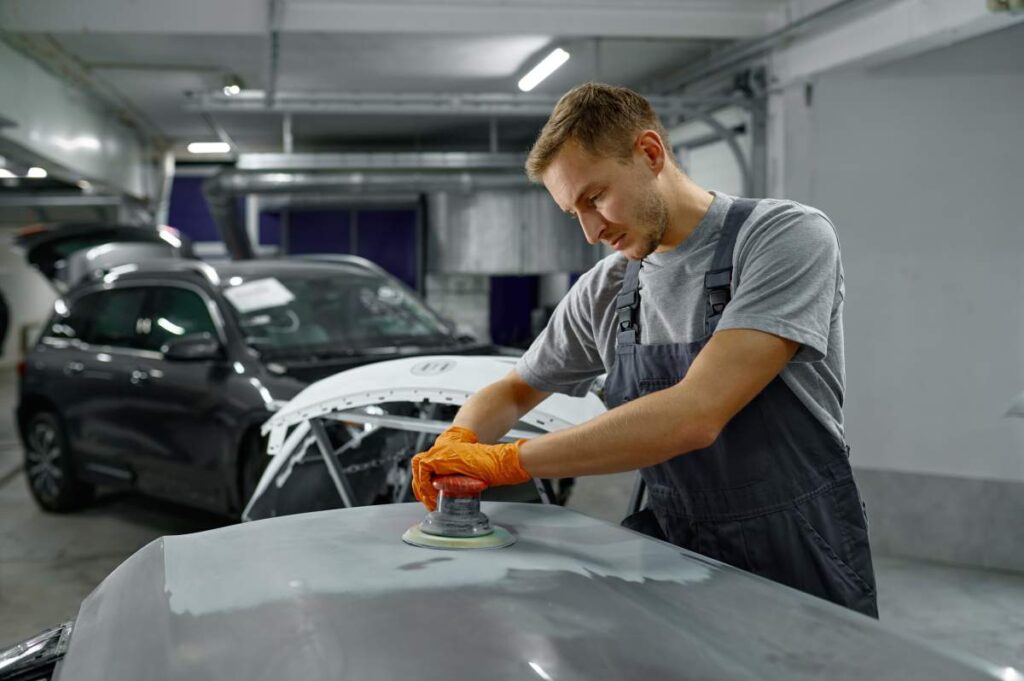
- Paint Preparation: Surfaces are cleaned, sanded, and primed. Dust and humidity, often present in this region depending on the season, are controlled to prevent paint flaws.
- Painting and Finishing: Using a color-matched system based on manufacturer codes, technicians apply new paint and protective clear coats. Afterward, panels are cured and polished.
- Reassembly: All disassembled parts, including interior trim, electrical components, and safety sensors, are reinstalled and recalibrated.
How Are Safety and Quality Checked Before the Car Is Returned?
Before a repaired vehicle is released in Sioux City, it’s subject to a series of quality control and safety checks. This is not just about making the vehicle look good, but ensuring its safe operation.
- Technicians test systems such as airbags, lights, sensors, and advanced driver assistance features, which are especially important for newer vehicles.
- Alignment and suspension are evaluated because even minor collisions or pothole impacts—common in the area—can throw off steering accuracy.
- The exterior and interior are inspected for any missed details, from uneven paint to broken clips or missing fasteners.
Many local households prioritize these checks due to harsh climate conditions that can worsen any oversight over time. For example, missed rust spots can rapidly expand during spring thaws and lead to further issues.
What Are Some Common Misconceptions About Collision Repair in the Area?
It’s not uncommon for local car owners to have misunderstandings about what collision repair involves:
- “It’s just cosmetic.” Many believe only surface panels are affected, but hidden damage is very common, especially following icy road accidents or severe storms.
- “Repairs are always quick.” Depending on parts availability, insurance approval, or workload after a big weather event, repair times may lengthen.
- “Repairs don’t affect car value.” Not all repair work is visible, but the quality of repair can influence future resale value, especially if not done to factory specifications.
What Should Local Residents Look for to Ensure Safe Repairs?
Area residents benefit from a basic understanding of the post-repair checklist:
- Verify that all safety systems (airbags, seatbelts, cameras, sensors) are functional.
- Inspect for uneven gaps, poor paint blending, or rattling noises on a test drive.
- Ask for a written summary of the repairs for your records, especially if the work involved structural or frame correction.
Because winter and road salt are so tough on vehicles here, ensuring that anti-corrosion coatings are reapplied after repairs can prevent future rust, particularly on underbody and rocker panels.
How Does Sioux City’s Climate and Road Conditions Influence the Process?
The collision repair process in the community is tailored to local realities:
- Road Salt and Rust: Repairs often address rust prevention as a separate step due to salt use in winter.
- Hail and Debris: Hailstorms lead to a seasonal spike in repair jobs—paintless dent removal is sometimes used for minor dings.
- Extreme Temperatures: Cold weather can extend drying times for paint and adhesives, while humidity in spring and summer must be controlled during refinishing.
Understanding these unique challenges helps residents manage expectations and care for their vehicles long-term.