

 See My Latest Article on HelloNation
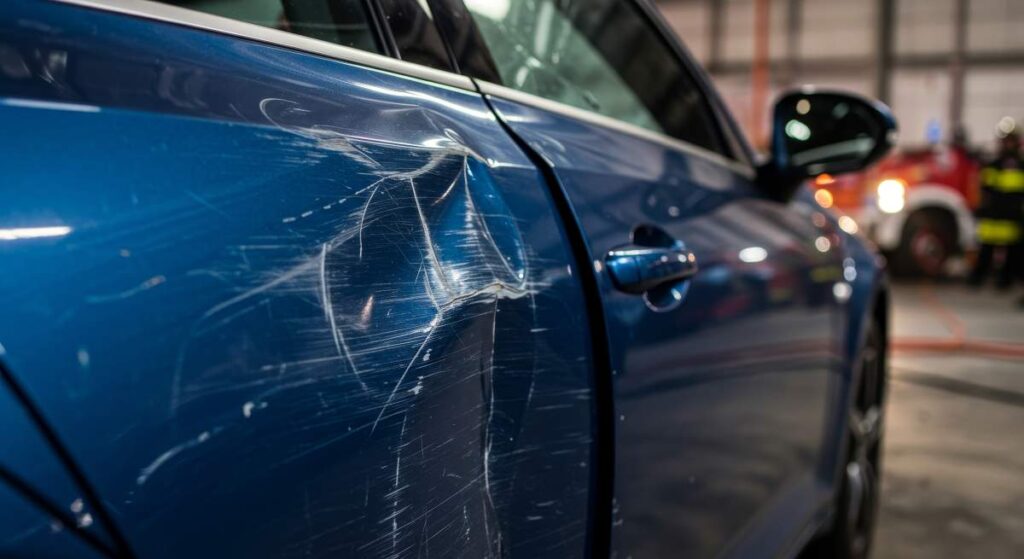
What Does a Bent Car Frame Mean for Sioux City Drivers?
A bent car frame occurs when the vehicle’s structural foundation is distorted by impact. This matters because the frame keeps everything aligned, from doors to suspension, and provides crucial crash protection. In Sioux City, collisions sometimes happen on highways, in parking lots, or during winter storms—raising concerns about whether a car’s frame has been affected.
A bent frame can make a vehicle unsafe or irregular on the road, increase tire wear, and even impact future repairs. Identifying this problem early helps area residents make informed choices about safety and repairs.
What Are the Visible Signs That a Frame May Be Bent?
Some signs can be seen by the car owner without special tools. These usually show up as:
- Gaps or unevenness: Look for uneven gaps between body panels, such as hoods, doors, and trunk lids. Misaligned panels often signal frame movement.
- Door, hood, or trunk difficulties: If doors, the hood, or trunk are suddenly hard to close, or pop open unexpectedly, there may be a shift in structure.
- Obvious leaning or sagging: If the car seems to sit lower on one side or tilts when parked on level ground, that could indicate frame bending.
- Wavy or crumpled areas: Check under the car and along the sides for wrinkled, crumpled, or buckled metal that wasn’t there before.
Especially after a collision on icy or snowy roads—common in Sioux City winters—drivers should pay close attention, as impacts can be more severe and subtle signs of damage are easy to overlook.
Can Driving Feel Different If the Frame Is Bent?
Yes. When a frame is bent, the way a car drives can change, sometimes noticeably. Local residents might observe:
- Pulling to one side: The car may not track straight, requiring extra steering correction, even after a recent alignment.
- Strange noises: Creaking, buzzing, or rattling sounds after an accident can signal stress on frame sections.
- Poor handling or instability: The vehicle may feel less steady, especially on uneven city streets or rural gravel roads around Sioux City.
- Unusual vibrations: Unexplained shaking at certain speeds can be a symptom of a shifted frame affecting other components.
These differences are often more clear to the person who drives the vehicle every day, so trusting your instinct is important, especially with sudden changes after a crash.
What Should Local Residents Check at Home After a Collision?
After making sure everyone is safe, area households can perform a few checks before seeking expert inspection. Here’s a practical process:
1. Visual walk-around: Compare both sides, looking for uneven space between panels, unusual angles, or signs of twisting.
2. Door operation: Test all doors, the trunk, and the hood for movement or unexpected difficulty.
3. Measurement comparison: If possible, measure between fixed points (for example, headlights or rear fenders) on both sides to spot major unevenness.
4. Check for tire wear: Look at tire treads over the next days and weeks. Uneven tire wear can emerge quickly after frame shifts.
These simple checks can help residents recognize concerns early, though they can’t replace the precision of professional measurement.
Are There Common Misconceptions About Frame Damage?
Several myths circulate, especially among community members relying on word-of-mouth after local accidents:
- Only big crashes cause frame bends: Even relatively minor collisions, particularly at the corners or with uneven surfaces, can distort frames.
- Damage is always visible: Frame misalignment can exist without obvious exterior clues.
- A car still driving straight means the frame is fine: Suspensions and alignments can mask deeper frame issues for a while.
- All frame damage is irreparable: Many frame problems can be corrected, but safety assessments are key for deciding next steps.

Knowledge of these points can help Sioux City vehicle owners avoid dismissing subtle but important signs.
How Does Weather in Sioux City Impact Frame Issues?
Local weather plays a significant role in both accidents and subsequent repair challenges. Slippery winter roads increase the risk of skidding accidents, while road salt can accelerate rust on exposed metal, including the frame. After an accident, promptly removing accumulated snow and cleaning off salt can help prevent additional frame corrosion.
Area residents who store vehicles outdoors should be aware that rapid temperature swings—which are common in early spring and late fall—can cause materials to contract and expand, sometimes widening gaps from minor bends.
When Is It Unsafe to Drive With Suspected Frame Damage?
If the car shows any of these signs after a crash, reconsider driving except for essential reasons:
- Severe, uneven placement of wheels under the car body
- Loud scraping or grinding sounds during turns or over bumps
- Doors or hoods that suddenly won’t latch or fly open on their own
- Handling so unpredictable that steering feels risky, especially at higher speeds
For any condition affecting vehicle control, local drivers should prioritize safety—sometimes opting to park the vehicle and seek further assessment.
What Else Should Sioux City Residents Know About Frame Checks?
Most modern vehicles use “unibody” construction, which combines the frame and body as one structure. Even older models with separate frames can bend, but unibody designs may show subtler symptoms.
Insurance claims for frame damage are common after Sioux City collisions, but policies vary widely on coverage and required documentation. Clear photos of suspected damage, both close-up and from a distance, are helpful for records.
Knowing seasonal trends (such as increased accident rates during winter storms or road construction periods) may encourage regular self-checks after even minor accidents.