

 See My Latest Article on HelloNation
Is Collision Repair Always More Expensive Than Expected?
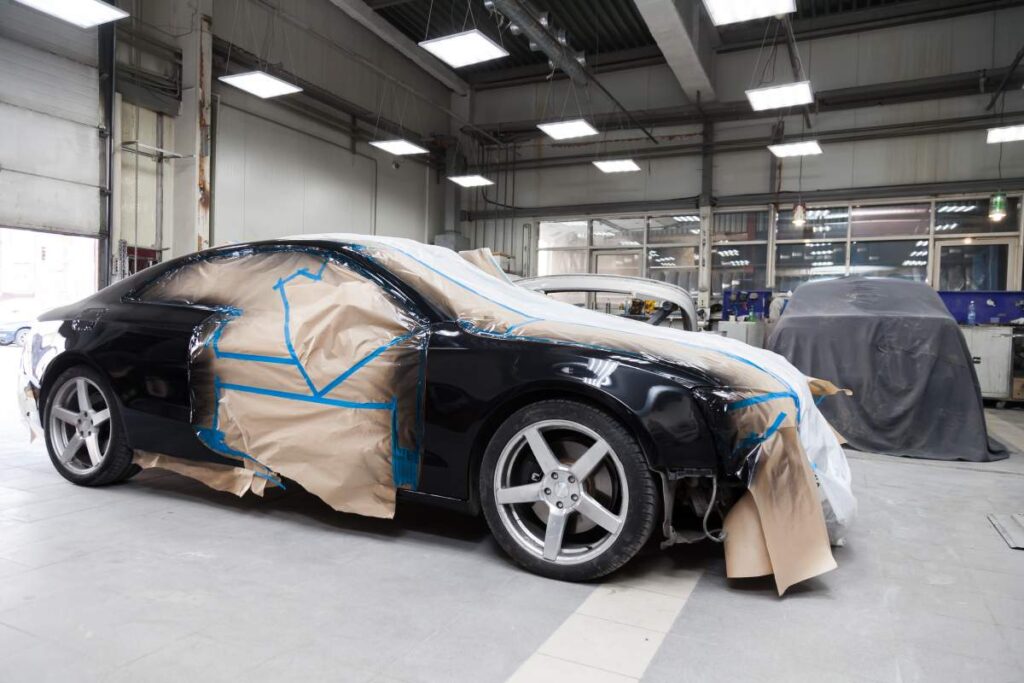
Many Sioux City, IA residents worry that any collision repair will break the bank, but the reality can be more nuanced. Repair costs depend on the extent of the damage, the type of vehicle, and whether high-tech parts or systems are involved. In fact, some mild fender-benders may be surprisingly affordable to address, while newer cars with sensors behind bumpers might cost more to fix even if the visible damage seems minor.
For local context, the region’s weather and use of road salt in winter can sometimes lead to more hidden corrosion or rust on older vehicles, potentially affecting estimates. However, a careful inspection is the only way to know for sure what costs are involved. Area drivers should keep in mind that many repairs—especially for minor dings, glass chips, or scratches—are standardized in price and may not always require major expense.
Does Insurance Always Cover the Full Cost of Repairs?
Insurance is a vital part of the process, but it doesn’t always mean full coverage for every kind of repair. Most policies in Sioux City require drivers to pay a deductible before insurance pays its share, and some types of collision or cosmetic damage may not be fully covered at all depending on policy details.
Residents sometimes assume insurance will also cover wear and tear, rust, or pre-existing issues; however, coverage is generally restricted to sudden and accidental events. Understanding what is included—and what is not—can prevent surprises. Reading the policy and asking direct questions about exclusions is essential for local drivers.
"My Car Will Never Be the Same"—Is That True?
It's common for Sioux City drivers to fear their car will never work as well after a collision. While serious structural damage can sometimes affect resale value or future performance, modern repair techniques and equipment allow most vehicles to be restored to safe, reliable function.
Properly repaired vehicles that meet safety standards typically pass inspections and are as functional as before the incident. In some cases, repairs may return parts of a car—like repainted panels—closer to new condition than before. However, disclosed accident history may still impact long-term resale value, so keeping thorough documentation of repairs is helpful.
Does Visible Damage Indicate the Full Extent of the Problem?
After a minor accident, it’s easy to think that only what’s visible is affected. In practice, some of the most critical issues can be hidden beneath panels. Modern bumpers, for instance, are designed to bounce back into shape, but internal supports, sensors, or wiring can be impacted without obvious exterior signs.
- Colder weather in Sioux City can make plastic components more brittle, making hidden cracks more likely after fender-benders.
- Advanced safety features — like cameras and adaptive cruise control — can be misaligned or damaged even if outer damage looks small.
Having a thorough inspection ensures that subtle but important issues are not missed.
"Repairs Take Weeks or Months"—Is That True for Every Case?
Many area residents worry about long waits, but turnaround times depend on a few factors:
- The availability of specific parts (especially for newer or less common vehicles)
- Insurance approvals, which can sometimes cause delays
- The extent of the damage and any hidden issues that may emerge after disassembly
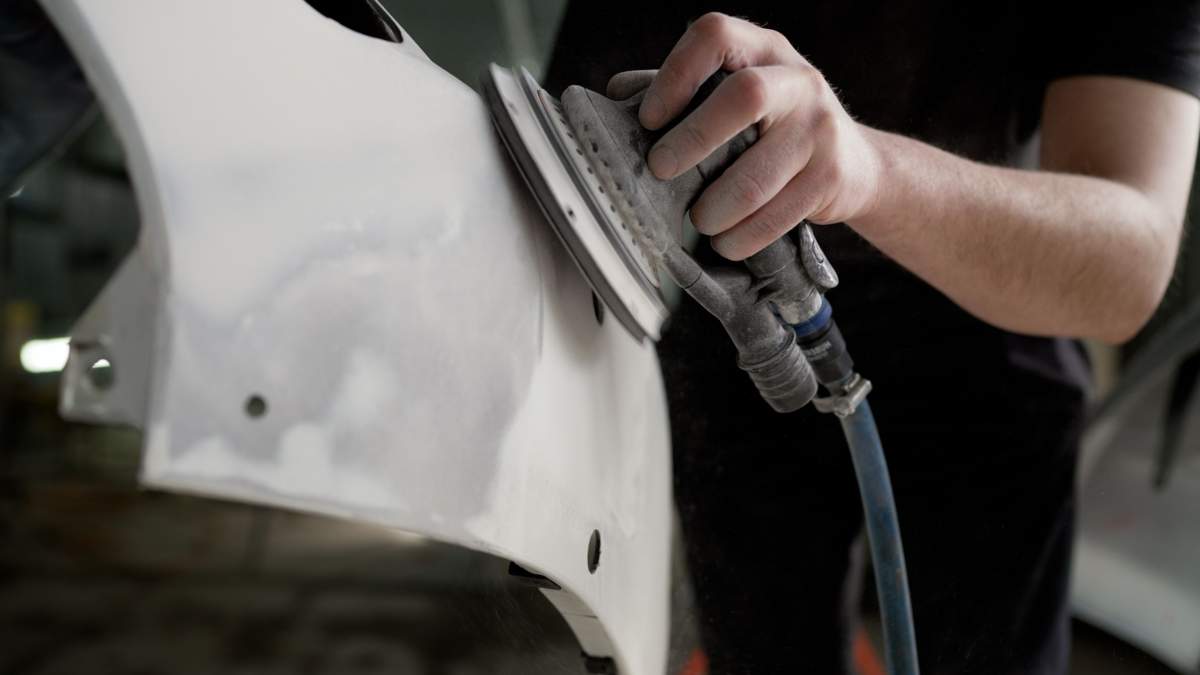
For minor jobs, it’s often possible to have a car returned within a few days, especially if parts are readily available in the region. Severe weather or large storms can temporarily increase demand and affect timelines, but for most claims, repair timeframes are much more predictable and manageable than many assume.
Will a DIY Approach Save Money and Time?
Fixing dents, scratches, or minor body issues at home seems tempting for many Sioux City households. While some basic tasks like replacing a broken side mirror or touching up small paint chips can be managed by a careful do-it-yourselfer, collision repair frequently requires specialized tools, paints, and knowledge to meet safety standards.
Frame alignment, airbag replacement, and newer vehicles’ electronic systems should only be handled by trained professionals. DIY mistakes in these areas can result in costly fixes or compromise safety. Before tackling car repairs, local residents benefit from considering complexity and safety.
Are Original Manufacturer Parts Always Required?
There is an assumption that only parts made by the original vehicle manufacturer are acceptable for repairs. While original equipment manufacturer (OEM) parts sometimes offer the best fit and finish, quality aftermarket parts—when appropriate for the make and model—are widely used and can meet or exceed original specifications.
In some cases, insurance policies may specify the use of aftermarket parts to control costs. For older vehicles, particularly in regions like Sioux City where road salt can accelerate rust, high-quality aftermarket options can be both effective and practical.
Does Insurance Choose Where My Car Gets Repaired?
Many believe that once a claim is filed, insurance companies dictate where repairs must happen. In truth, Iowa residents have the right to select their preferred repair facility, no matter which shops an insurance company recommends. Insurance companies may have a “preferred network,” but local drivers are not obligated to use those shops.
It’s also a myth that using a shop outside of the insurance network affects the validity of an insurance claim. The law protects the consumer’s choice, so area households may select the shop that offers the best combination of trust, location, and familiarity.
If My Car Is "Totaled," Can I Still Keep It?
When the cost of repairs approaches the value of the car, insurance may declare it a total loss. Some residents assume this means they must surrender the vehicle, but owners can often keep their car (for a reduced settlement) if they wish. In these cases, the car will often have a “salvage” or “rebuilt” title.
This decision may affect insurance coverage in the future, and any major repairs must comply with safety inspections required by Iowa law. Keeping a totaled car may make sense for those who wish to do their own repairs or who have a strong attachment to the vehicle, but it’s important to weigh the pros and cons.