
 See My Latest Article on HelloNation
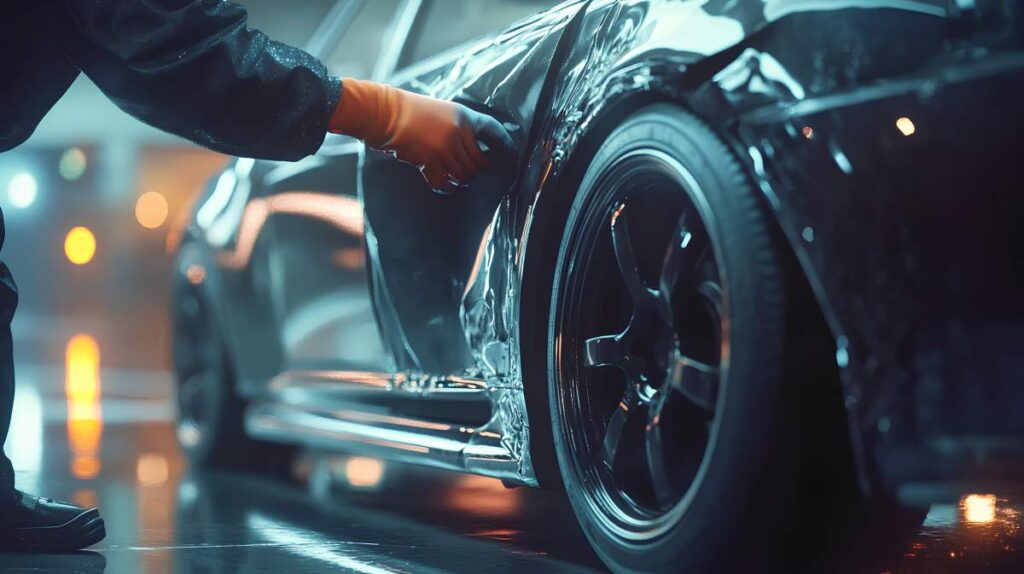
What Should You Look for in a Collision Repair Shop?
A reliable collision repair shop should provide trustworthy repairs that restore both safety and appearance. For area residents, this means choosing a shop that not only fixes visible damage, but also ensures your car meets local safety expectations.
Some practical characteristics that matter most:
- Proper training and up-to-date certifications for technicians
- Transparency in repair process and pricing
- Use of quality parts and materials
- Clear communication about timelines
- Positive, established reputation in the community
Shops in Sioux City may vary in their expertise with different makes and models, so it’s wise to ask if they have experience with your type of vehicle—or if they follow specific repair guidelines set by manufacturers.
Are Certifications and Credentials Worth Checking?
Yes—technician certifications signal up-to-date skills and knowledge relevant to your safety. In the city, you might encounter autobody techs certified by groups like the National Institute for Automotive Service Excellence (ASE) or I-CAR. These credentials show commitment to ongoing education and best practices, not just basic ability.
While not a guarantee of perfect results, certifications are a strong indicator that a shop is serious about high repair standards and up-to-date safety requirements.
What Local Factors Influence Your Decision?
The climate and road conditions in this region play roles in vehicle damage and repair needs. Sioux City area winters, with snow, road salt, and temperature swings, can affect both the initial damage and the durability of repairs. Discuss with the shop how they protect against common issues like underbody corrosion and weather-related paint failures.
Additionally, if you use your car for regular commuting, work around rural areas, or live outside city limits, discuss your specific driving habits. This helps the shop ensure repairs are suited to both urban and rural road realities.
How Do Insurance Claims Affect Your Options?
Insurance claims are common following a collision, but you are not obligated to choose only the shops preferred by your insurance company. In the city, residents have the right to select any repair facility, regardless of insurer recommendations.
A reputable shop should:
- Explain how the repair process will work with your insurance
- Assist with documentation if needed
- Stick to agreed-upon repair methods, not shortcuts aimed at reducing insurer costs
Make sure you’re comfortable with both the shop’s insurance experience and their willingness to answer your questions about repair choices.
Can You Visit Before Committing?
Absolutely—personal visits help you spot differences between shops. Many residents overlook the value of walking around the facility and asking direct questions about the repair process.
When visiting, notice:
- Cleanliness and organization of the shop floor
- Evidence of modern equipment
- Friendliness and clear answers from staff
- Displayed licenses or certifications
In a community where word-of-mouth carries real weight, you might also quietly mention that you’re local and ask about previous customers’ experiences.
What Should Be Included in a Thorough Estimate?
A trustworthy shop provides an estimate that is detailed, transparent, and understandable. Surprises should be minimal, barring hidden damage found once repairs begin.
Look for an estimate that outlines:
- Scope of visible damage (and possible unseen issues)
- Parts to be replaced or repaired
- Labor charges
- Paint or finishing work
- Expected timelines
Local regulations may also affect what has to be written in an estimate (for example, labor rates or environmental fees), so make sure to ask for clarification if something seems unclear.
Are There Common Misconceptions About Collision Repair in the Community?
Many area households believe the lowest price means the best deal. In truth, very low estimates may involve poor quality parts, rushed labor, or skipped steps—which can cause problems in the harsh Midwest climate and impact resale value.
A few other misconceptions:
- Your insurance cannot require you to use only certain shops
- OEM (original equipment manufacturer) parts are not always used unless specified—ask if you have a preference
- Not all collision damage is immediately visible, especially to the undercarriage or structural elements
Trustworthy repair providers will walk you through these topics and welcome informed questions.
How Can Local Reviews and Word-of-Mouth Help?
Long-standing community connections often mean more than online ratings alone. In the city, asking neighbors or coworkers about their experiences can reveal shops that consistently provide good results over time.
Reviews on web platforms can be useful, especially for spotting patterns (both positive and negative). Look beyond individual complaints, and pay attention to how a shop responds to problems—a respectful, constructive reply is usually a positive sign.
When Is It Necessary to Seek a Second Opinion?
It’s reasonable to ask for another estimate if repairs seem more extensive or expensive than expected, or if you feel unsure about a shop’s recommendations. Legitimate collision repair facilities in Sioux City are accustomed to this and will not take offense.
You may also want a second opinion if:
- You suspect structural issues not mentioned in the first estimate
- Timelines or pricing seem vague or unusually high
- You want to compare repair methods (for example, use of new vs. salvaged parts)
An extra opinion can give you clarity and peace of mind while navigating a significant investment in your vehicle.