

 See My Latest Article on HelloNation
How Long Does Collision Repair Typically Take?
Most collision repairs in Sioux City require anywhere from a few days to several weeks, depending on complexity, parts availability, and repair shop workload. Minor repairs such as small dents or bumper scratches are commonly completed within two to five days, while extensive structural or frame damage can significantly extend repair times.
What Factors Affect the Length of Collision Repair?
Multiple variables influence how long a vehicle repair might take after an accident.
- Severity of Damage: Light damage to exterior panels or paintwork usually means a faster process. Repairs involving frame damage, multiple panels, or advanced safety systems take longer.
- Parts Availability: Waiting for parts—especially for less common vehicles or specialty finishes—can extend timelines. Winter storms and supply disruptions, common in this region, can add unpredictability.
- Insurance Approval Process: Most insurance claims require an adjuster’s review before work begins. Delays here are common, particularly when accidents happen during severe weather, which can create higher claim volume in the city.
- Repair Shop Scheduling: Busy repair seasons—especially after hail or ice storms—can result in longer waits to start work due to increased demand across the area.
- Paint Curing and Drying: Humid summers or colder winter temperatures in the area can slow drying times, sometimes adding at least a day or two to the process.
How Does the Season Affect Repair Times in Sioux City?
Weather in the city can cause both direct and indirect delays. A sudden hailstorm may lead to a surge in damaged vehicles, backing up auto body shops for weeks. In winter, icy roads mean an uptick in accidents—at times, this doubles the demand for repairs.
Additionally, temperature and humidity influence paint application and curing schedules. Cold snaps may delay outdoor work and extend paint drying times even in heated facilities.
What Steps Are Involved in Collision Repair?
Understanding the stages can help area residents anticipate possible delays:
1. Damage Assessment and Estimate: Inspection and paperwork, often accomplished within a day if everything is straightforward.
2. Insurance Authorization: The shop submits paperwork and photos. Delays here are common during high-claim seasons in the area and can take anywhere from a day to over a week depending on response time.
3. Parts Ordering and Delivery: Most standard parts are sourced within a couple of days, but unique components might require special orders, lengthening the timeline—especially for older vehicles or those without local dealership support.
4. Repair Process: The actual work ranges from quick cosmetic fixes to involved panel or structural repairs, usually lasting from one to several days.
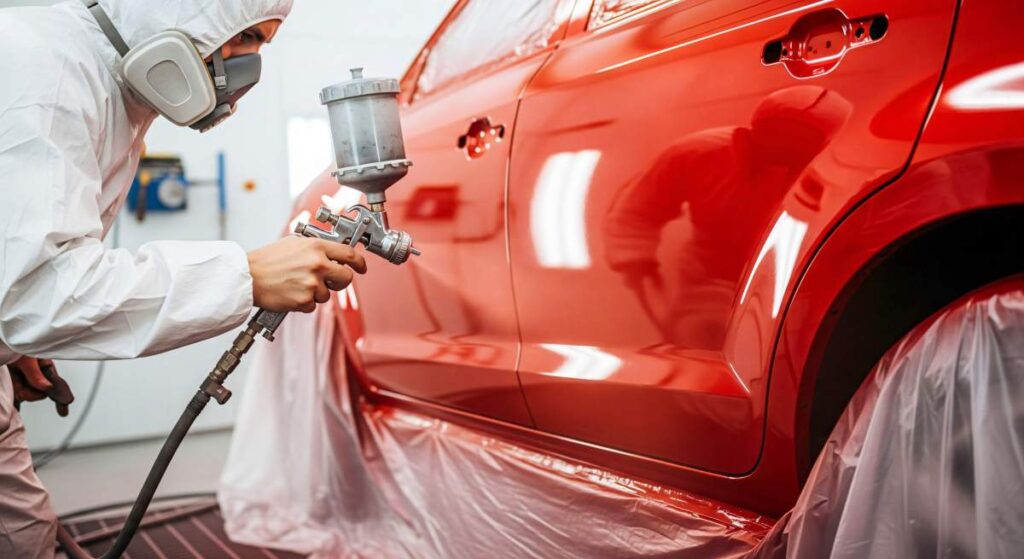
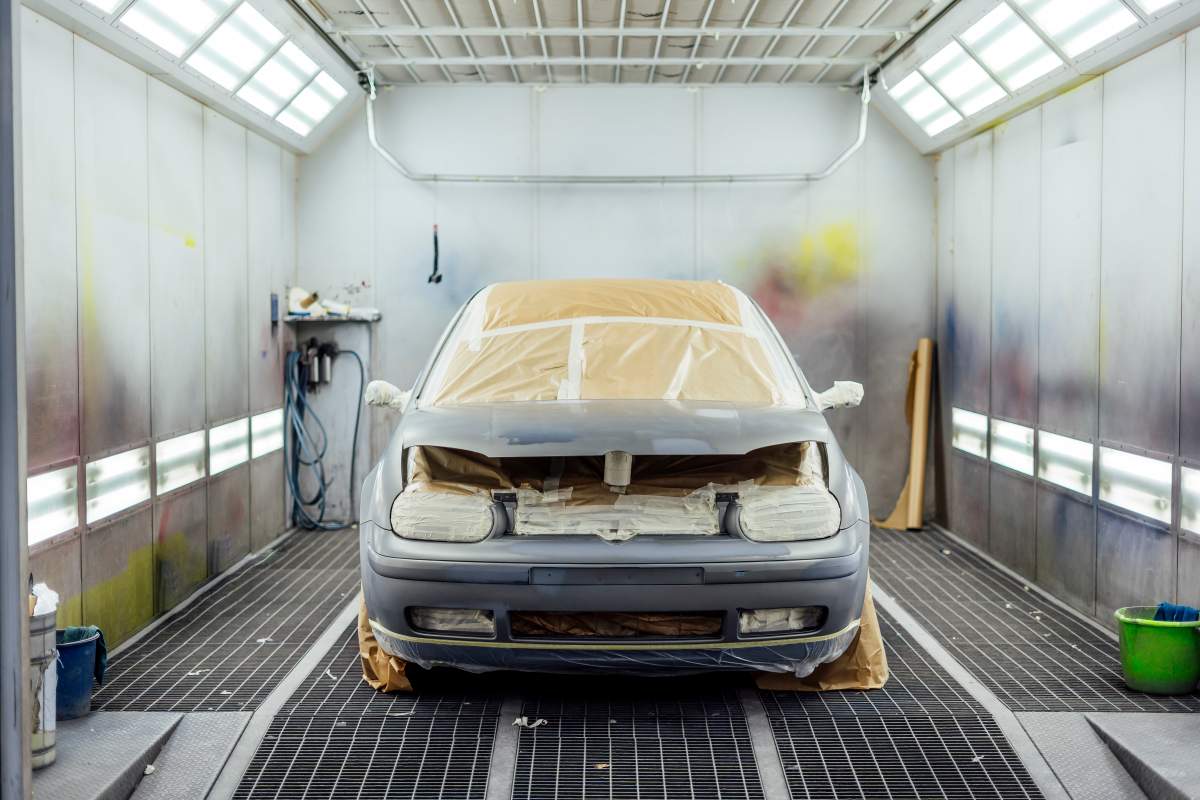
5. Paint and Finishing: Prep, painting, and drying may require separate time, particularly during humid or cold periods.
6. Final Inspection and Cleaning: Shops ensure safety and quality, typically finishing within the same day as painting unless further touch-ups are required.
Are There Ways to Speed Up the Repair Process?
While some steps are uncontrollable, area households can reduce wait times by promptly responding to insurance requests, making decisions quickly if additional repairs are recommended after teardown, and clearing out vehicles of personal effects before the first estimate. Prepping your documentation—registration, insurance info, and photos—can also streamline insurance approval.
Common Misconceptions About Repair Timelines
A frequent belief is that all repairs can be done within a week. In reality, unpredictable delays often occur, especially in months with frequent storms or when manufacturers backorder parts. Some think repairs stop entirely during cold snaps, but most shops continue operations—though paint curing or outdoor inspection steps may slow.
When Could Repairs Take Longer Than Expected?
Certain situations are more likely to cause extended downtime for local vehicles:
- Frame or Structural Damage: Cars with compromised safety structures require detailed repairs and testing, which are never rushed due to safety concerns.
- Insurance Supplement Requests: Sometimes, hidden damage is found only after disassembly. This means starting a new round of insurance approvals and waiting for additional parts.
- Unavailable Specialty Parts: Older or modified vehicles might require special-order components not readily stocked in the area, causing weeks-long waits.
What Can Sioux City Residents Do While Waiting?
Many local households rely on a single vehicle for getting to work or school. Check if a rental car is covered by your insurance policy, and consider carpooling, rideshare, or public transit as short-term alternatives when possible. While some repairs for minor cosmetic issues can be deferred, safety-related damage should never be ignored.