

 See My Latest Article on HelloNation
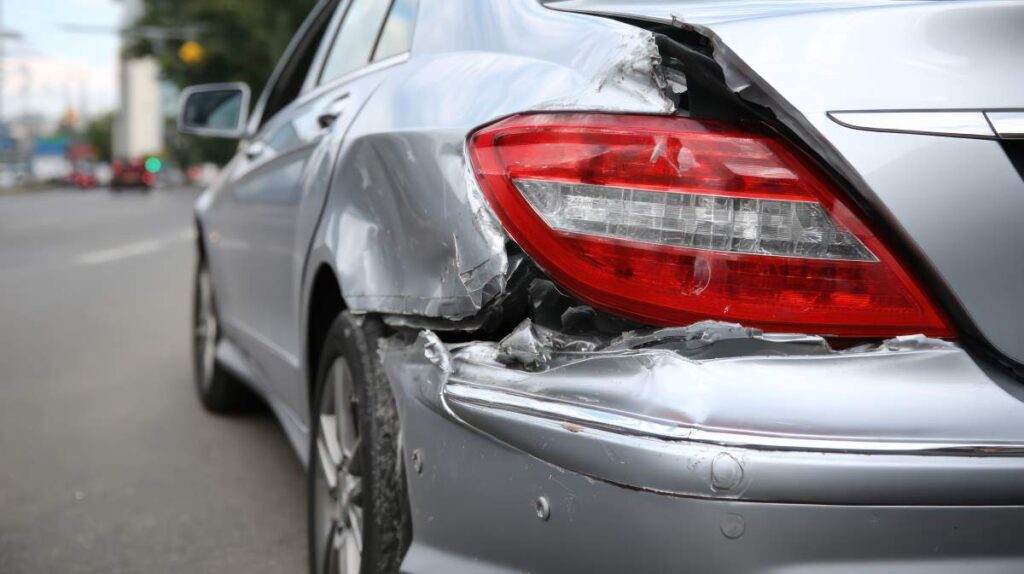
What Are the Most Common Signs Your Car Needs Bodywork?
Most Sioux City drivers can spot obvious damage, but subtler indicators are often missed. It’s not just about a dented bumper or scraped paint—hidden issues can pose serious risks or worsen over time. Things that warrant attention include:
- Panels that don’t line up after a collision
- Rust forming near wheel wells, rocker panels, or around door frames
- Cracks or chips in the paint that expose bare metal
- Unusual gaps between panels, doors, or trunk lids
- Persistent water leaks inside the cabin after rainfall
These signs suggest more than cosmetic trouble. Even what appears to be minor damage may conceal structural or safety concerns specific to local roads and climate—especially after icy winters or stormy weather in Sioux City.
How Does the Local Climate Impact Vehicle Bodywork?
Sioux City weather brings snowy winters with salted roads, wet springs, and hot summers. All these conditions can accelerate corrosion and paint damage. For example:
- Road salt can quickly lead to rust on exposed metal
- Freeze-thaw cycles cause minor cracks to expand, worsening existing damage
- Hail and severe thunderstorms occasionally dent roofs, hoods, and trunk lids
Local drivers sometimes try to ignore minor dings or paint chips, but these can become costly issues as salt and moisture infiltrate beneath the paint layer. Monitoring these areas after each season reduces surprises.
Should You Worry About Frame or Structural Issues?
Even slow-speed impacts, like sliding into a curb on a slippery day or a fender-bender in a parking lot, can bend the underlying structure of your vehicle. Hidden structural misalignment can cause:
- The car pulling to one side while driving
- Strange noises from the suspension or steering when turning
- Uneven tire wear that develops soon after a bump
While cosmetic flaws can be obvious, frame damage is often silent and not visible from the outside, but it can compromise crash protection during an accident. If a door, trunk, or hood won’t close smoothly anymore, the underlying structure may be misaligned and should be inspected.
Paint Problems: Cosmetic or Cause for Concern?
Minor paint imperfections are common, but not all are merely cosmetic. Sometimes, cracks, bubbles, or flaking in the paint show up after a harsh winter or hailstorm. In the high-humidity months typical around Sioux City, exposed metal can start rusting quickly if paint peels away.
Key indicators that paint issues deserve professional attention:
- Bare metal or primer visible anywhere on the exterior
- Spreading discoloration that signals corrosion under the surface
- Areas where the paint feels rough or “bubbled” to the touch
Addressing paint issues early can prevent rust from spreading—a common headache during the damp seasons.
Are All Fender Benders the Same in Terms of Needed Repairs?
Not every minor collision produces the same repair needs. Common misunderstandings among Sioux City drivers include thinking every small hit is only cosmetic. In reality, modern bumpers often have sensors or impact-absorbing materials beneath the plastic cover. Damage to these components can:
- Disable parking sensors or warning systems
- Compromise how the bumper performs in future impacts
- Allow water to seep into electronics after rain or slush
It’s worth keeping an eye out for flickering dashboard warning lights or malfunctioning backup sensors in the weeks following any collision—even small ones.
How Can You Spot Trouble with Doors, Windows, or Lighting?
Damage affecting how parts fit or operate can show up well after the initial incident. This includes:
- Doors that grind, stick, or need extra force to close or open
- Windows that jam or leave gaps even when fully closed
- Headlights, taillights, or signals that fog up or collect condensation
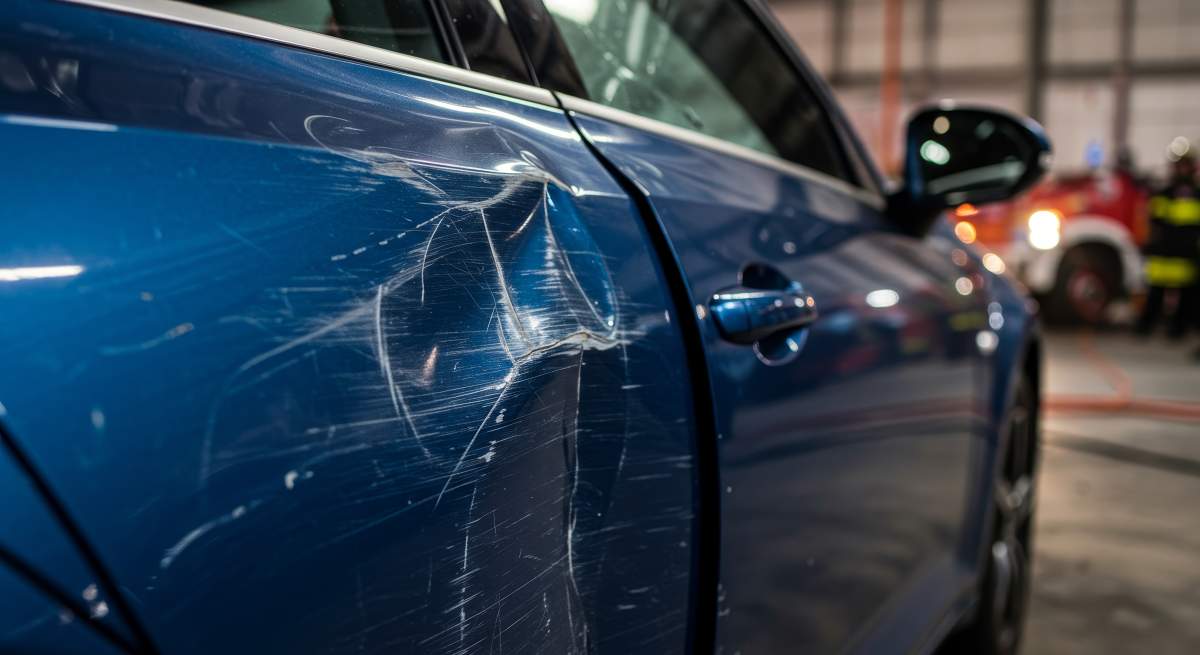
These symptoms might seem like minor annoyances, but in colder months, door and window leaks can lead to icy interiors or even mold from trapped water. Electrical issues from damaged lighting can also create safety and inspection concerns.
Is Rust Ever Just an Appearance Issue?
While surface rust is common on older vehicles, especially after years of local winter driving, it’s rarely “just cosmetic.” Rust that starts at the surface can eat through metal panels or supports over time, affecting both structural integrity and resale value.
Key locations where Sioux City drivers often miss early rust:
- Under the doors and lower quarter panels
- Around mounting points for bumpers or trailer hitches
- At the base of the windshield or rear window
If rust comes off as flaky or has created a hole, professional intervention is almost always needed for safety. Surface rust can sometimes be handled sooner with more basic tools, but deeper corrosion rarely stabilizes on its own.
What If You See Water Inside Your Car After a Storm?
Water leaks, whether they show up as damp carpets after a local thunderstorm or freezing puddles in winter, are warning signs that body panels, door seals, or window edges may be misaligned or damaged. Prolonged moisture can mean:
- Mold growth under floor mats
- Electrical corrosion in hidden wiring
- Persistent window fogging during cold drives
Even a slow drip can affect a vehicle’s electronics and comfort. Checking after storms or car washes can help spot this before a bigger repair is needed.
Are DIY Bodywork Fixes Safe for Local Conditions?
While many enjoy tackling small fixes at home—like touching up paint chips or pulling out minor dents—some repairs are riskier without the right equipment or experience, especially in the city’s variable climate. Take special care with:
- Issues that involve structural panels or frame elements
- Repairs near airbags, sensors, or electrical wiring
- Paint or rust repairs that need full removal of corrosion
DIY solutions can temporarily cover damage, but if the area is left exposed or isn’t sealed properly, moisture and road salt may worsen the problem over time.