

 See My Latest Article on HelloNation
Why Does Proper Documentation Matter for Insurance Claims?
Accurate documentation helps make the insurance claim process smoother and increases the chance your claim will be accepted. Detailed records allow insurers to evaluate damage correctly and help avoid disputes or delays. In Sioux City, changing weather, icy roads, and varying traffic conditions are common contributors to accidents, so thorough documentation is especially valuable for residents.
What Should You Photograph After a Collision?
Begin by taking clear, well-lit photos of all damage from multiple angles. Don't rely on memory—insurers need visible evidence.
- Capture wide shots showing the entire vehicle to provide context.
- Take close-ups of dents, scratches, broken glass, and impacted parts.
- Include areas that look unaffected to verify the extent of the damage.
- Photograph the scene, including road conditions (slush, snow, potholes, etc.).
- Document license plates of all vehicles involved.
- Photograph any relevant landmarks or street signs to show the location.
Using a phone or a camera with a date stamp enabled can support your claim with a verifiable timeline.
What Documents and Information Should You Collect?
Accurate paperwork and factual accounts protect your interests and speed up the claim.
- Exchange and record insurance information and contact details with any other drivers involved.
- Obtain names and contact information for witnesses.
- Make note of the date, time, and weather conditions.
- Record the make, model, and year of all vehicles involved.
- If police are called, request a copy of the accident report or at minimum, the report number.
For collisions during harsh weather—common in Sioux City’s winters—record features like ice patches or snow piles, since these can clarify circumstances.
How Detailed Should Written Notes Be?
Thorough and specific notes create a trustworthy account. Write down what happened before, during, and after the collision, sticking to facts:
- How was each vehicle moving?
- Did anyone admit fault, or mention something important at the scene?
- What was the state of your vehicle before the collision?
- Were there any unusual road, light, or traffic conditions?
Avoid speculation and don't guess at causes; only write what you know or observe, as inconsistencies can complicate claims later.
Are There Common Documentation Mistakes to Avoid?
Some mistakes can delay claims or leave out key facts. Frequent pitfalls include:
- Forgetting to photograph damage before moving vehicles.
- Only capturing close-ups without wider scene context.
- Omitting photos of undamaged areas and interiors, which can help show no pre-existing damage.
- Trusting memory for details like lane position or times.
- Leaving out environmental conditions unique to the day, such as fog, strong winds, or hail.
Do You Need to Document Minor Damage?
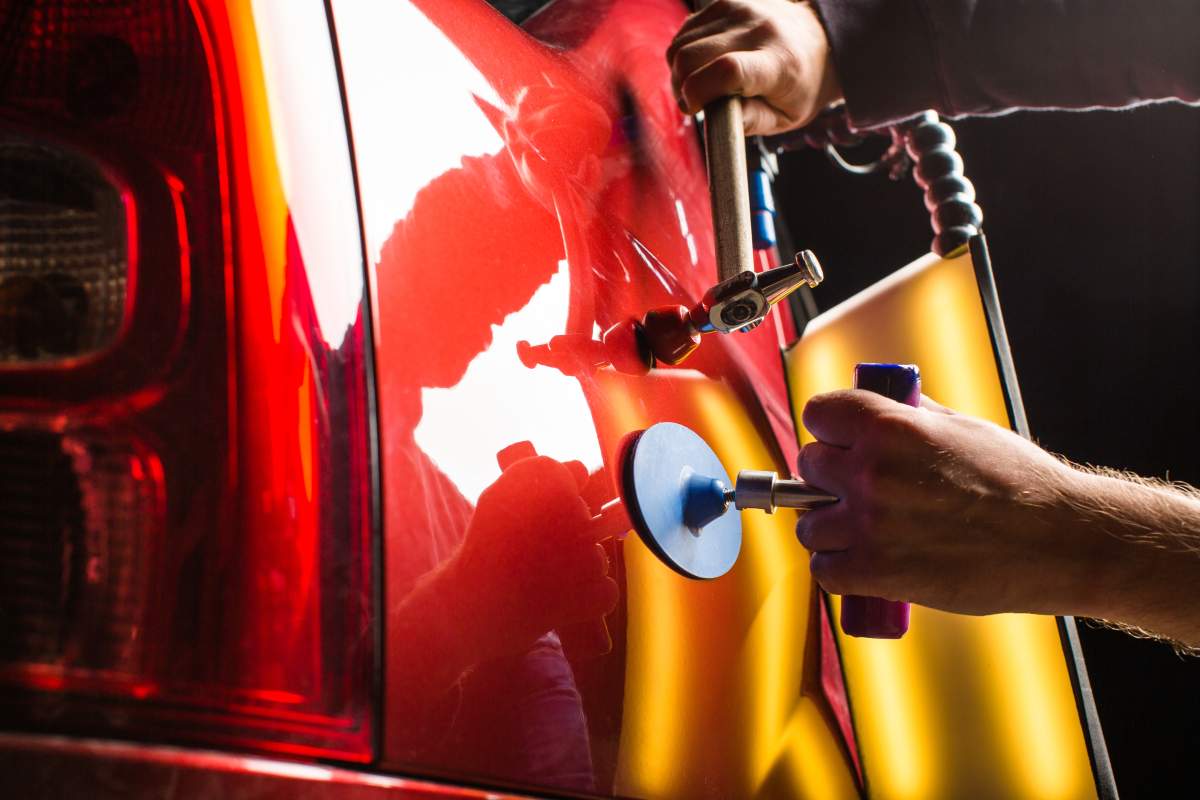
Even minor collisions or “fender benders” should be documented just as thoroughly as severe accidents. Small dents or alignment issues can result in larger problems later, especially with the freeze-thaw cycle common in the region. Insurance adjusters want to see proof of both visible and potential hidden damage.
What If the Accident Involved Wildlife or Unusual Conditions?
In Northwest Iowa, strikes involving deer or other animals are not uncommon. If your vehicle strikes wildlife:
- Photograph the animal if safely possible and legal.
- Capture all damage, fur marks, or debris left on the vehicle.
- Document the road and any warning signs nearby.
- Note the time, light conditions, and location—rural stretches may not have clear markers, so describe landmarks or GPS coordinates if possible.
These details help verify claims for cases unique to the area.
How Should Paperwork Be Organized for an Insurance Claim?
Gather all records—photos, written accounts, exchanged information, and police reports—into a dedicated folder, either digital or paper. Back up digital copies to ensure they’re not lost if your phone is damaged or lost in the event. Consider storing everything in a place you can access easily during the claims process.
What Role Do Local Regulations or Climate Play?
Sioux City’s climate and driving environment increase the risk of certain accident scenarios, such as winter pile-ups on bridges or collisions during spring floods. When documenting, mention any local hazards that played a role, and describe how traffic patterns or city events affected the situation. These specifics may be useful if state or local insurance guidelines require extra explanation.