

 See My Latest Article on HelloNation
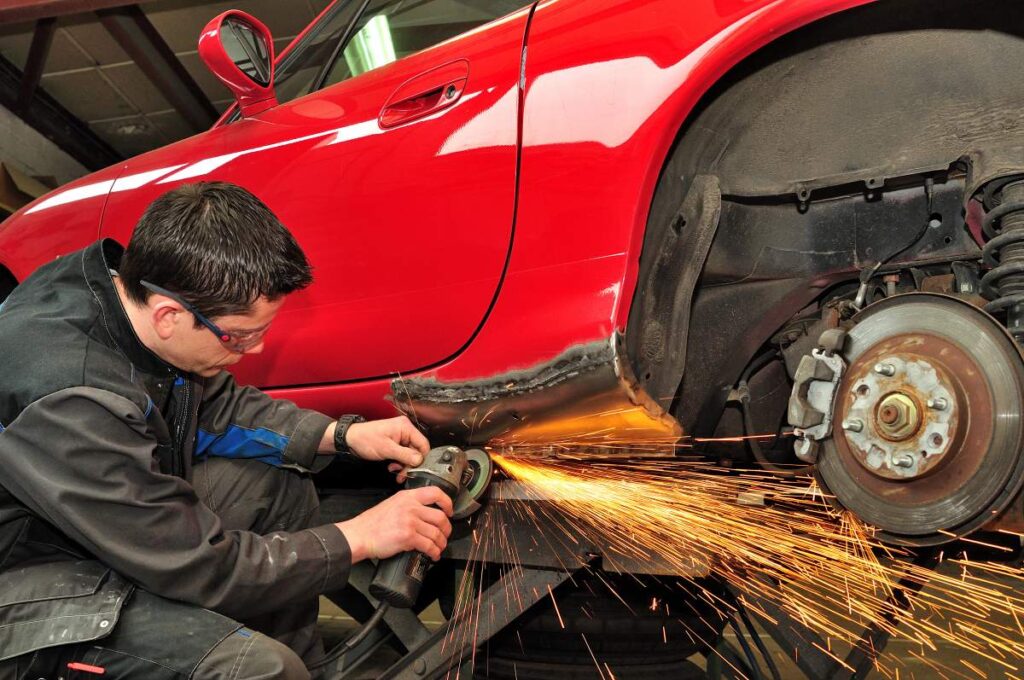
What Are OEM Parts and How Are They Different From Aftermarket Parts?
Original Equipment Manufacturer (OEM) parts are components made by the same company that built your vehicle. Unlike aftermarket parts, which are produced by third-party companies, OEM parts match the exact specifications, materials, and quality standards of your original car parts.
People in Sioux City often notice that OEM parts look and fit exactly like what was on their car before a collision. Aftermarket parts may work, but their sizing, materials, and performance can be inconsistent. For local drivers, this difference can mean a lot for both safety and long-term satisfaction.
Do OEM Parts Really Make a Vehicle Safer?
Yes, OEM parts are specifically designed to work with the original safety systems of your vehicle. For example, a bumper or sensor from the factory has been crash-tested as part of the entire vehicle. In a city with varied weather and road conditions like Sioux City, correct operation of features such as airbags, crumple zones, and advanced driver assistance relies on parts that perfectly match the manufacturer’s specifications.
Aftermarket parts may not respond the same way in an accident, potentially affecting how seatbelts or airbags deploy. Keeping the original structure intact with OEM parts supports safer recovery for your vehicle after any collision.
How Can OEM Parts Impact Vehicle Value?
Cars repaired with OEM parts are generally more likely to hold their value. When residents consider selling or trading vehicles in this area, buyers and dealerships tend to prefer a car that’s been restored with genuine parts. This is especially important for newer vehicles and those with advanced safety features, where deviations from manufacturer parts could raise concerns about function and reliability.
For many Sioux City households, a car is a significant investment. Retaining OEM parts in repairs helps protect both the appearance and the resale price, giving owners something closer to a “like new” condition after an accident.
Will Using OEM Parts Affect My Car’s Warranty?
Using OEM parts helps keep your warranty valid. Many vehicle warranties require that repairs use only genuine manufacturer components. If an insurance claim or repair job substitutes aftermarket parts without proper documentation, it might risk voiding some or all of your warranty coverage.
If you’re not sure which parts were used, reviewing your warranty documents or speaking directly with your vehicle manufacturer can help avoid unexpected problems. Area residents should also note that warranties are commonly more restrictive on new cars but can matter with used vehicles, too.
How Does Weather and Environment in Sioux City Affect Part Choice?
The climate in Sioux City brings everything from harsh winter road salt to summer hail. Genuine OEM parts often outperform aftermarket options because they’re tested by the manufacturer for the exact stresses expected within the U.S. Midwest, including freeze-thaw cycles, humidity, and sun fade.
For instance:
- Factory paint and coatings on OEM body panels resist rust and corrosion longer
- OEM plastic and rubber parts are more likely to withstand local temperature extremes without cracking or warping
- Electrical components such as sensors and wiring are sealed to prevent failures caused by moisture or ice
Selecting OEM parts can help avoid repeated repairs and premature wear, especially important for families and commuters facing North Iowa weather.
Are OEM Parts Always Required by Law or Insurance?
State regulations and most insurance policies generally allow both OEM and aftermarket parts in repairs. However, Iowa law requires that customers be notified if anything other than OEM parts are used. Insurers may default to aftermarket options to keep costs low, but drivers have the right to request OEM parts—sometimes with an additional out-of-pocket expense.
Local residents concerned about their vehicle’s value, safety, or warranty should always review repair documentation and ask for clarification about parts choices. Comparing long-term benefits and additional expenses helps area households make the best decision for their needs.
Common Misconceptions About OEM Versus Aftermarket Parts
- “OEM parts always cost a lot more” — While OEM parts are often more expensive, the price difference is not always dramatic. In some cases, insurance policies may cover the added cost, especially for lease vehicles or recent models.
- “Aftermarket parts are made to the same standard” — Despite claims, most aftermarket parts are not crash-tested with your specific car model. Fit and finish can vary.
- “You can’t choose OEM parts for older cars” — Even for older vehicles, OEM parts may be available and can make repairs look and perform better, especially for rust-prone body panels or complex assemblies.
Understanding these realities helps Sioux City drivers confidently discuss repair options and avoid surprises after a collision.
What Should Local Households Know Before Approving Repairs?
Before agreeing to any repair estimate, local households can:
- Request a clear breakdown of which parts will be OEM and which are aftermarket
- Ask how part choices affect safety systems and remaining warranty
- Consider specific winter and road conditions, which may justify higher-cost OEM parts for certain repairs
- Review documentation and keep copies for future resale or warranty discussions
Being informed does not mean needing technical expertise; it simply gives Sioux City drivers better control over their vehicle’s repair and future value.