

 See My Latest Article on HelloNation
What Is Paintless Dent Repair?
Paintless Dent Repair (PDR) is a technique used to remove minor dents and dings from a vehicle’s body without needing to repaint the area. It involves accessing the back side of the metal and gently massaging the surface back to its original shape with specialized tools. This method preserves the original paint finish, which helps maintain the value and appearance of the vehicle.
In practice, PDR doesn’t use fillers or sanding. Instead, technicians carefully work the metal from behind the panel or use glue-pulling methods from the outside, depending on the location of the dent. The result is a nearly invisible repair—a process well-suited for many typical vehicle dings found in local parking lots or after minor hailstorms in northwest Iowa.
When Is Paintless Dent Repair a Good Option?
PDR is most effective when the paint surface remains intact and the dent isn’t too deep or sharp. Ideal scenarios include:
- Small dents caused by hail, stray shopping carts, or car doors
- Minor creases that haven’t cracked or chipped the paint
- Situations where the backside of the panel is accessible
In Sioux City, typical examples include shallow dents on car roofs, hoods, or doors after summer hail, or clean dings in parking lots. Dents with sharp creases, edges, or paint damage generally require more traditional body repair methods.
How Does Local Climate and Driving Affect Its Suitability?
PDR is especially relevant for local residents because northwest Iowa experiences seasonal hail, wide temperature swings, and fairly high rates of everyday parking lot bumps. In these conditions, minor damage is common but the vehicle’s paint remains largely undamaged. Since PDR preserves the original factory paint, it can be a practical and cost-effective repair for area households wanting to keep their vehicles in good cosmetic condition without lengthy repairs.
Freezing winter temperatures can make certain plastic parts brittle and less amenable to this method, so timing repairs during moderate weather can sometimes make a difference.
Are There Limitations or Misconceptions About This Method?
PDR is not suitable if:
- The paint is chipped, cracked, or missing in the dented area
- The metal has been severely stretched or torn
- The dent is near a panel edge or a body line where access is blocked
- Rust is present on or near the damage
A common misconception is that PDR works for every type of dent, regardless of severity or location. In practice, deep, angular dents or those on panels with multiple layers (like some rear quarter panels) often require more involved repair. Similarly, if a dent stretches the metal or if there’s underlying structural damage, traditional bodywork is needed.
How Does PDR Differ From Traditional Dent Repair?
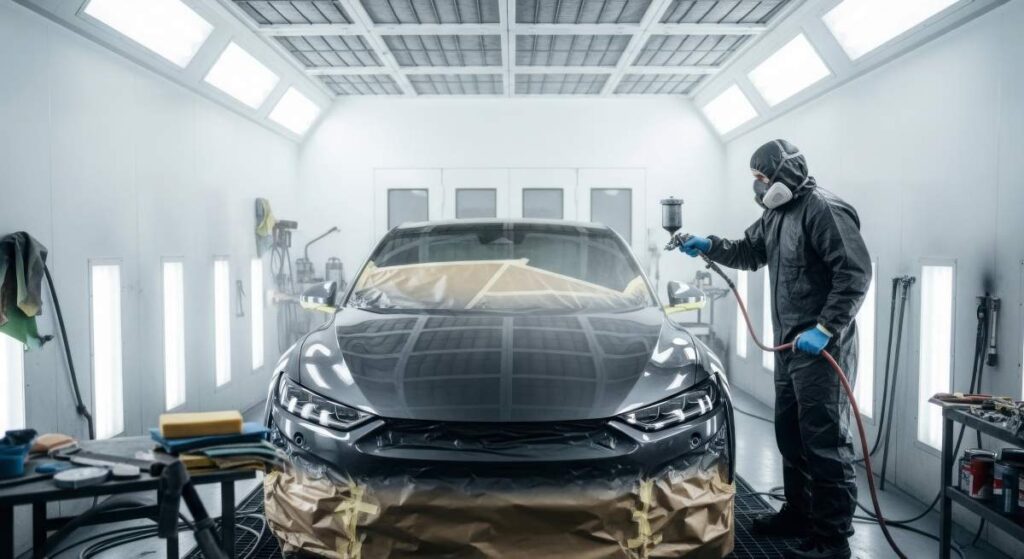
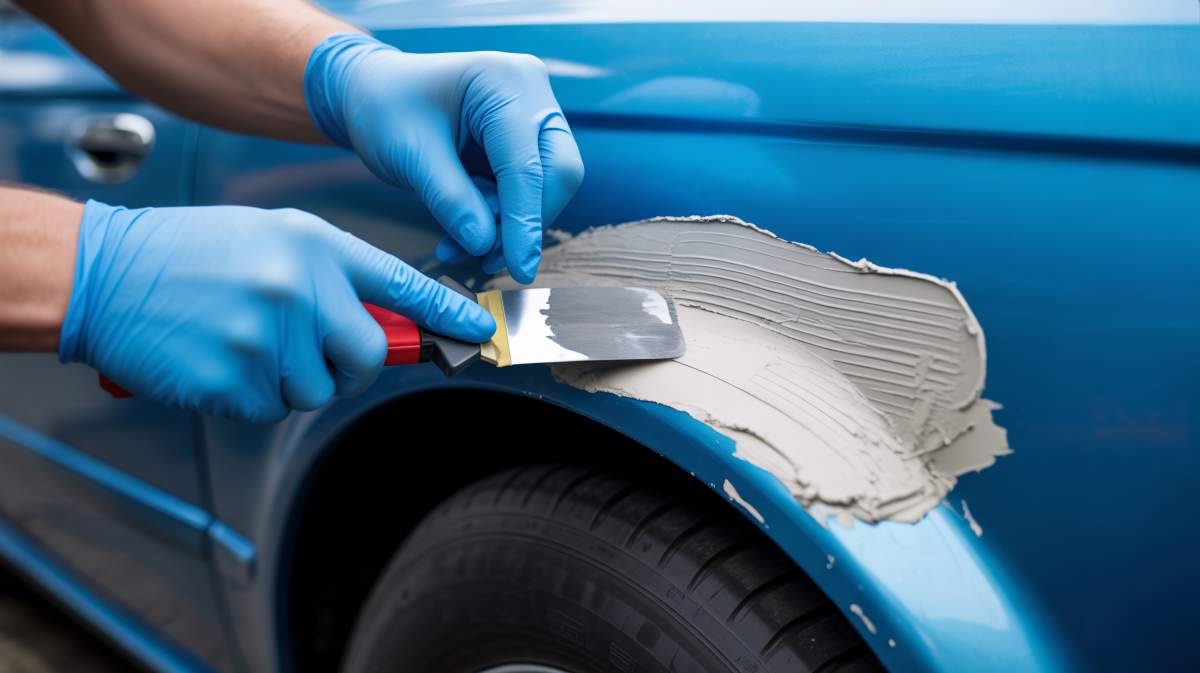
Traditional repair methods often involve sanding, filling, and repainting the damaged area. This process can be more invasive, sometimes costing more and taking longer.
By comparison:
- PDR is typically faster—many simple repairs take only a few hours
- The original paint remains intact, helping retain the vehicle's factory finish
- No concern about mismatched paint shades
However, conventional repairs are the only option when the paint is damaged or the dent is too extensive.
How Do Residents Know if Their Car’s Damage Is a Candidate?
Generally, if the paint looks undisturbed and the dent is not larger than a few inches across, the vehicle may be a good candidate for this type of repair. Inspect the area for cracked paint or sharp creases, both of which can make PDR less likely to succeed.
For those after hailstorms, walking around the vehicle in angled sunlight helps reveal which dents may be shallow enough for this technique.
What Are the Practical Benefits for Vehicle Owners in Sioux City?
The benefits of choosing PDR in the community setting include:
- Preserving the original factory finish for better resale and appearance
- Quicker repair turnaround, which is convenient for busy households
- Often lower repair costs compared to traditional bodywork for minor dings and hail damage
- Suitable for vehicles of all ages, especially when cosmetic appearance matters
This method is especially valuable following the hail events common in the region, where multiple small dents can occur but paint remains unbroken.
Are There Downsides or Risks to Be Aware Of?
While generally reliable, some downsides include:
- Repairability depends on dent location and severity
- Not effective if the paint layer is compromised
- Access limitations in certain vehicle designs or under heavy interior trim
Attempting DIY repairs without appropriate tools and knowledge can worsen the damage. For most area motorists, understanding these limits helps set realistic expectations about outcomes and cost-savings.