

 See My Latest Article on HelloNation
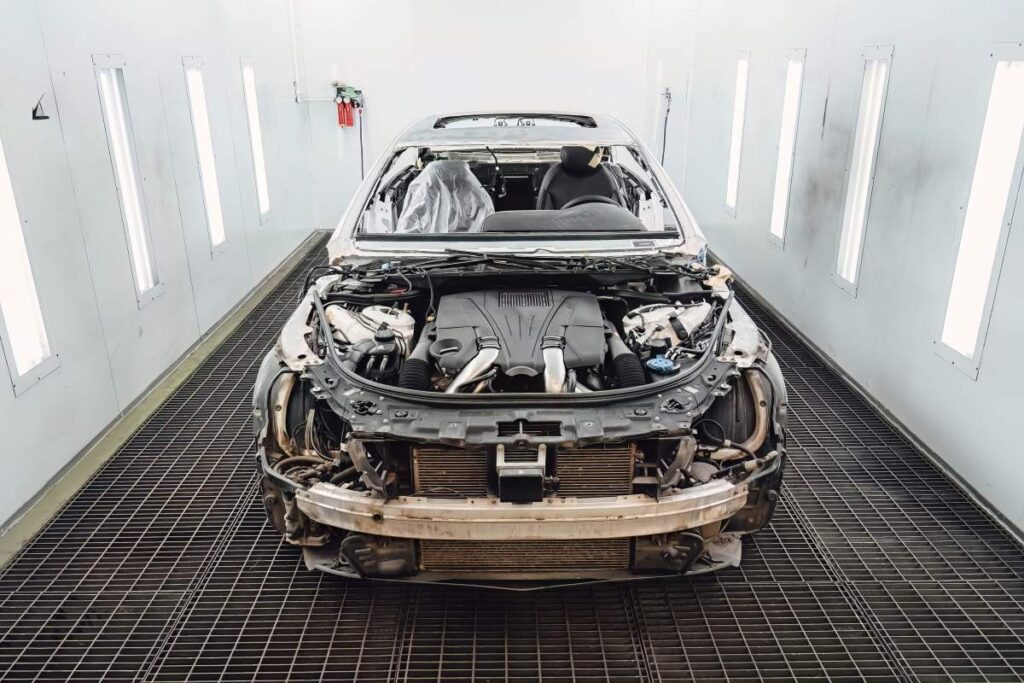
How Does Weather Impact Collision Damage in Sioux City, IA?
Weather can change the way vehicles are damaged in a collision and affect the repair process. Sioux City experiences a full range of Midwest weather conditions, including icy winters, spring floods, humid summers, and frequent temperature swings. Each of these factors can influence both the type and severity of collision damage, as well as the way repairs are managed locally.
What Kinds of Weather-Related Collisions Happen Most Often?
Slippery winter roads, heavy rain, and sudden temperature changes frequently contribute to area crashes:
- Icy and snowy roads in winter lead to sliding, skidding, or rear-end crashes, often causing damage to bumpers, fenders, and undercarriage components.
- Spring and summer thunderstorms bring heavy rain, which creates slick roads and reduces visibility, raising the chances of hydroplaning or losing control.
- Gusty winds—not uncommon across open stretches or near the river—can push vehicles unexpectedly, sometimes causing minor side impact collisions or making parked cars vulnerable to debris.
How Does the Local Climate Affect Car Materials During and After a Collision?
Temperature extremes and moisture can worsen collision damage or cause secondary issues:
- Freezing winter temperatures can make plastic parts like bumpers and trim more brittle, increasing the extent of breakage even during lower-speed impacts.
- Salt used to keep roads clear of ice can get lodged in collision gaps or scrapes, leading to faster rusting, especially on exposed steel areas and vehicle undersides.
- Hot, humid summers may cause adhesives, paint, and body fillers used in repairs to cure differently or more slowly, sometimes requiring longer wait times between repair steps.
What Role Does Flooding or Standing Water Play in Collision Repair?
Flooding, while not constant, can have a big effect on car collisions and repairs in some Sioux City neighborhoods:
- Vehicles involved in accidents during storms may sit in standing water, soaking electronic components, seat cushions, and wiring. Water damage complicates repairs and can result in hidden corrosion or electrical faults later.
- Fast-moving water on city streets can also push vehicles into obstacles, causing undercarriage or suspension damage that might not be obvious at first glance.
- After flooding, even minor collision repairs might require more extensive inspection to rule out moisture damage hidden behind panels.
Are Repairs Harder to Do in Certain Seasons?
The time of year can influence not just what’s damaged, but how repairs are planned:
- In winter, frigid conditions can slow paint and bodywork—workspaces need to be kept warm and dry for repairs to set properly. Sometimes, added time is needed for indoor thawing or drying before painting or structural repairs.
- Summer heat can cause some finishes to dry too quickly or not bond well if humidity is high, requiring close attention to timing and technique.
- Spring and fall, with more mild and stable weather, tend to allow for faster turnaround, though fluctuations can still affect drying and curing times.
What Misconceptions Do Residents Have About Weather and Collision Damage?
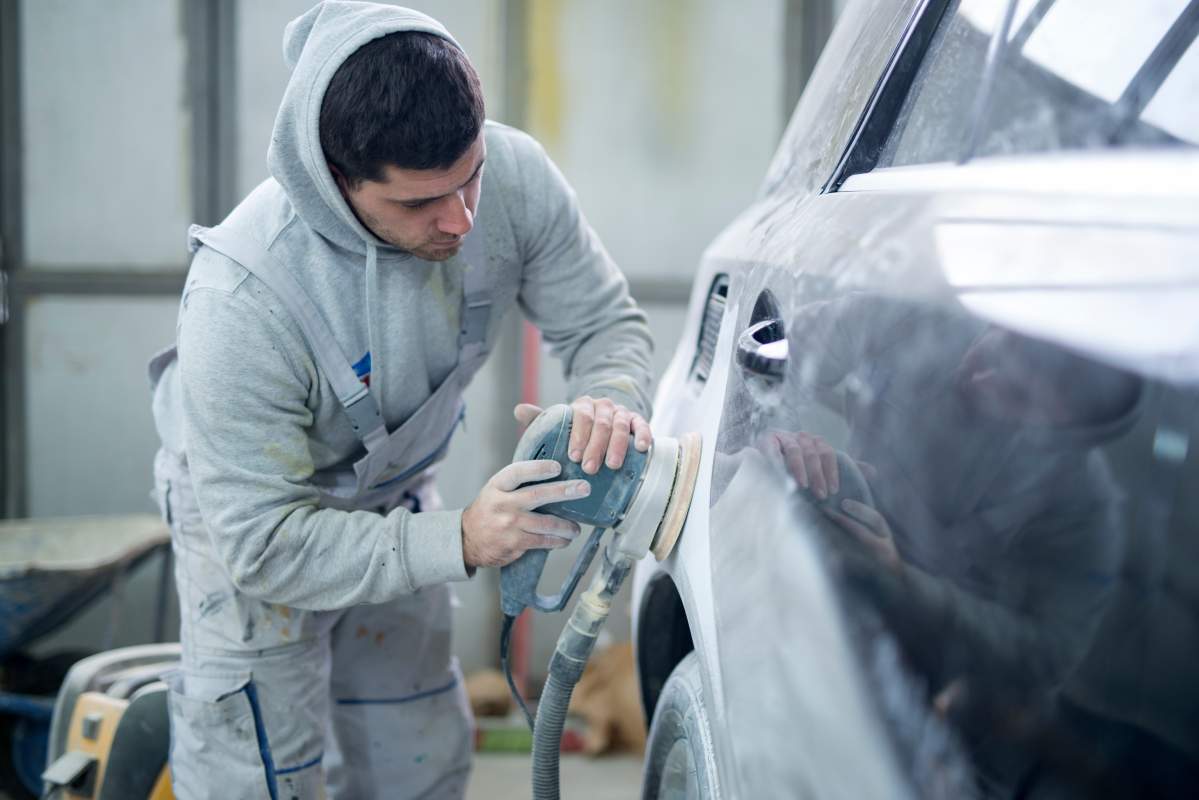
There are a few widespread misconceptions about how weather impacts collision damage and repairs:
- Some residents assume that only high-speed crashes cause extensive damage in winter. In reality, even low-speed impacts on icy roads often lead to outsized body damage due to hardened plastics and brittle components.
- It’s also common to underestimate the effects of rust after minor repairs. Exposure to salt and moisture—especially if a vehicle is left outside waiting for parts—can turn small dents into costly rust spots if not addressed quickly.
- Another misconception is that water damage is always obvious. Water intrusion after a collision can be subtle at first, affecting sensors, airbags, and wiring long after the visible repairs are completed.
What Steps Can Local Vehicle Owners Take to Limit Weather-Related Complications?
Residents can help minimize weather-related complications before and after a collision by:
- Keeping vehicles clean, especially the undercarriage, to reduce salt buildup.
- Promptly addressing any new scrapes or dents to prevent moisture and salt from causing rust.
- Parking inside or in covered areas when major weather is forecast.
- Reporting and checking for water exposure if a collision occurs during flooding.
- Understanding that longer repair times in the coldest and hottest months are sometimes necessary for quality and safety.
How Do Local Infrastructure and Lifestyles Influence Collision Repairs?
Sioux City’s mix of urban streets, busy commuter routes, and semi-rural peripheries means residents encounter a range of hazards—city potholes, slick bridges, and rapid weather changes. Many area households rely on a single primary vehicle, so repair downtime can be an inconvenience. Understanding how seasonal weather affects collision scenarios and repair timing helps residents make informed decisions about reporting damage, insurance claims, and vehicle safety checks.
Collision repairs in this region also commonly require inspections for hidden rust, checking for electrical damage after wet weather, and verifying repair materials are properly cured in variable climates.
Reliable information and local context help Sioux City residents navigate the specific collision repair challenges presented by the region’s unique weather patterns.