

 See My Latest Article on HelloNation
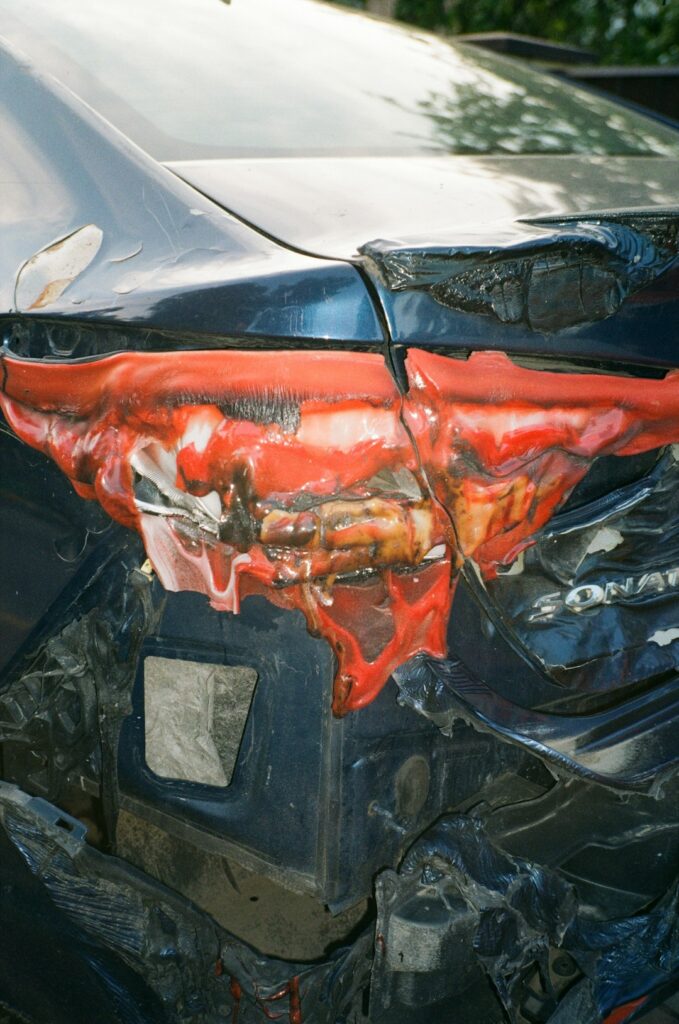
What Is a Collision Repair Estimate?
A collision repair estimate is a written assessment detailing the anticipated work and costs involved in restoring a vehicle after an accident. Local residents often receive these documents after bringing their car in for inspection following a fender bender, hailstorm, or more severe collision.
The estimate breaks down labor, parts, materials, and sometimes additional services that may be needed to bring a vehicle back to its pre-accident condition. While it may look technical, learning to read and understand this estimate helps area households recognize what repairs are planned and why certain costs appear.
Which Sections Should You Expect to See?
Most estimates follow a similar structure, though slight formatting differences exist. Typically, an estimate will include:
- Vehicle and owner information: Your car’s make, model, year, VIN, and your contact information.
- Claim details: Reference numbers or insurance claim information if applicable.
- Summary or overview: Total estimated costs, divided by parts, labor, and miscellaneous items.
- Repair details: A line-item breakdown of every part and service proposed, showing quantities, rates, and prices.
- Notes or recommendations: Explanations for certain charges or optional repairs.
- Tax and disposal fees: Common in Iowa, these can include local sales tax and environmental disposal charges for old materials.
Each section serves to help both the vehicle owner and any insurance representative understand what is necessary, how prices are determined, and whether everything required is accounted for.
How Are Labor Charges Calculated?
Labor rates in Sioux City reflect local wage standards and shop costs. Each task—such as removing a bumper or replacing a fender—is listed separately, along with the estimated number of hours required. These hours come from industry-standard labor guides, which reflect how long a specific repair typically takes.
- The hourly labor rate is multiplied by the listed hours to arrive at a total labor cost for each repair step.
- Different types of labor may be billed at different rates (body, paint, mechanical, frame, etc.).
Checking that the estimate includes realistic times for each task is helpful. If a simple mirror replacement lists several hours, or a large repair lists only minutes, clarifying with the estimator can prevent misunderstandings.
What Do Parts and Materials Charges Cover?
Parts pricing on estimates refers to the individual components needed for the repair—such as lights, bumpers, panels, or brackets.
- Each part is usually listed with a description, part number, and price.
- Parts may be marked as OEM (original equipment manufacturer), aftermarket, or recycled/remanufactured. Area drivers sometimes prefer OEM for warranty or resale value reasons, but aftermarket and recycled options may be more cost-effective and available more quickly, especially after major storms.
- Paint and materials are often listed as a single charge, covering the paints, solvents, clear coats, and supplies necessary for refinishing.
Material fees vary depending on the surface area to be painted and the complexity of the repair. Sometimes this is a small line on the estimate; other times, detailed materials lists are included, especially for larger collision jobs.
Are Diagnostic and Supplement Charges Included?
Initial estimates are based on visible damage, but hidden issues—like bent brackets or electrical faults—may appear once the work starts. This is especially relevant for vehicles involved in front-end or rear-end accidents common during icy Sioux City winters.
- Supplement charges: These appear as a separate addendum if new problems are found, requiring additional authorization before work continues.
- Diagnostic fees: Some estimates include modest charges for time spent thoroughly inspecting frames, suspension, or electronics before repairs begin.
Reading estimates for these potential later charges helps local households avoid surprise expenses during the repair process.
How Does Insurance Affect the Estimate?
If insurance is involved, the estimate may be prepared using guidelines and rates agreed upon between the repair shop and the insurance provider. This can result in some differences compared to an estimate you would receive if paying out of pocket.
- Most estimates specify whether they were prepared for insurance purposes, which can affect approved labor hours, part types used, or additional charges.
- The deductible and policy details are generally not shown in detail on the estimate, but total repair costs before insurance payments are.

Area residents should cross-reference their insurance policy or claim paperwork with the estimate to ensure everything aligns as expected.
What Are Common Misunderstandings About Estimates?
Several issues frequently cause confusion for residents reviewing repair estimates for the first time:
- Believing the estimate is a final bill: Estimates are projections, not actual costs. Unexpected damage, parts delays, or alternative repair needs may change the price.
- Thinking “supplement” means overcharging: Supplements cover necessary repairs that were hidden at first inspection, not extra or unnecessary work.
- Not recognizing exclusion items: Certain repairs, detailing, alignment, or undetectable interior issues may not appear until the job is underway.
If something doesn’t add up or an item seems vague, asking for clarification is reasonable and helps prevent problems down the line.
How Can Local Weather and Road Conditions Affect Repairs?
Sioux City’s climate brings cycles of hail, snow, and freezing rain, which often cause sheet metal dents, cracked glass, and alignment issues. These conditions can significantly increase the complexity and cost of collision repairs.
Estimates should account for the type of weather-related damage common in the area, including:
- Rust treatment or prevention methods, if moisture exposure is likely.
- Additional time or parts if fasteners and panels are corroded or frozen.
- Assessment of undercarriage and suspension, especially after sliding into curbs or snowbanks.
Understanding that estimates may reflect these local factors helps area households feel more confident in what they’re being charged for and why.
What Should You Do With Your Estimate Document?
Keep the original estimate and any revisions for your records, especially if an insurance claim is involved. If the vehicle’s value, future repairs, or a resale is ever in question, having a clear paper trail can help document the extent and quality of repairs.
Review the following to make the most out of the estimate:
- Ensure every visible damage-related issue is listed and nothing vital is missing.
- Confirm that part types, labor rates, and hours match what was discussed or expected.
- Ask for a walk-through of the estimate if any language, codes, or abbreviations are unclear.
A careful reading safeguards your interests, allows for informed questions, and helps you collaborate more effectively with shops and insurers throughout the collision repair process.