

 See My Latest Article on HelloNation
Can You Safely Drive After a Minor Fender Bender?
In many cases, local drivers feel it’s safer to head home after a low-speed bump, but some damages or unseen issues may affect drivability. It depends on several factors—damage location, weather, traffic, and how your vehicle handles immediately after the incident.
A quick assessment is essential. Even if the accident seemed minor, it’s possible that components beneath the surface or critical systems have been affected.
What Should You Check Immediately After a Collision?
Before driving away, take a moment to inspect your car for functional damage. Here’s what to check:
- Headlights, brake lights, and turn signals—confirm they all work, especially after dark or in poor visibility
- Hood and trunk latches—ensure both are fully secure and not likely to fly open or shift, especially with bumps or vibration
- Fluid leaks—look under your car for any signs of fresh drips or puddles that could mean something important (like coolant, oil, or brake fluid) is leaking
- Tire and wheel alignment—check that tires aren’t damaged or leaking air, and the steering feels normal
- Mirrors and windows—make sure you have a full, unobstructed view for safe merging and lane changes
Northeastern Iowa’s seasonal weather means accidents are sometimes accompanied by rain, snow, or icy conditions. In winter, fender benders in parking lots or at intersections may cause hidden undercarriage damage or dislodge important parts from slush or salt corrosion—be extra thorough in these conditions.
Are There Hidden Risks After a Minor Bump?
Not all problems will be visible or immediately obvious. While cosmetic dents or scratches might not seem urgent, misaligned bumpers, slightly bent panels, or damaged clips and fasteners can create problems later.
Some hidden issues to consider:
- Damaged sensors: Modern vehicles rely on sensors for brakes, airbags, and parking assistance. Even a light hit can knock these out of alignment.
- Trunk or door alignment: A trunk that no longer seals fully may allow exhaust to enter the cabin or lead to water leaks—especially during spring snowmelt or heavy summer storms.
- Headlight aims: A shifted headlight can drastically reduce visibility, particularly during early morning fog or after dusk in rural areas.
If any warning lights are on, or the vehicle suddenly feels different—even if you can’t see why—it’s best to assume caution.
What Local Conditions Make Driving After a Fender Bender Riskier?
Sioux City’s mix of urban and rural roads, seasonal weather changes, and the presence of gravel shoulders or uneven pavement add extra factors.
If the incident happened near a busy intersection, on a hill, or where snow and ice pile up after plowing, minor damage could quickly become hazardous:
- Poor road lighting makes it tough to see tiny but critical damage.
- Potholes or curb impacts can mask changes in handling after a collision.
- Heavy rain or snowmelt can reveal new leaks after driving for a short distance.
Younger drivers, families, and those doing highway commutes need to be especially careful that nothing interferes with the safe operation of their vehicles on longer or faster routes.
When Is It Unsafe to Drive, Even If Damage Looks Minor?
It’s not always safe to drive after a minor accident, and immediate repairs or tows may be needed when:
- The car pulls hard to one side, or the steering feels off
- Warning lights for airbags, brakes, or engine appear or remain on
- The hood won’t close completely, or a latch feels weak
- Fluids are leaking, especially if they have a strong odor or look unusual
- A tire is obviously flat, bulging, or losing air
- Headlights or taillights are inoperative in low-visibility conditions
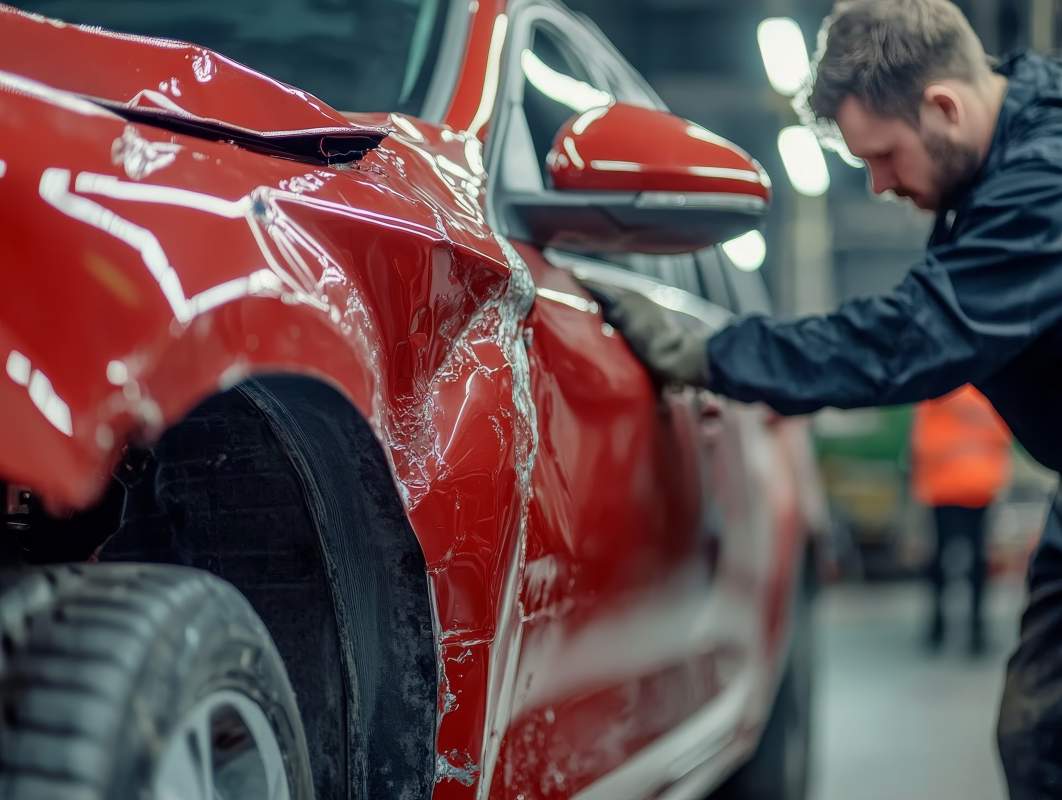
In these situations, continuing to drive can increase safety risks for the driver, passengers, and others on the road. City regulations may also require that you only operate an obviously damaged vehicle if it’s fully safe and street legal.
Is It Ever Okay to Put Off an Inspection?
If you’ve carefully inspected your vehicle, and everything functions as normal—lights, brakes, steering, and visibility—it may be reasonable to drive home. Still, even minor body damage can sometimes allow water or debris to seep into mechanical or electrical components.
Area residents who primarily use residential roads and avoid high speeds have some flexibility, but those planning longer trips or highway travel should think twice before assuming everything is fine. It’s common for problems to appear days after an incident, especially after rain or repeated bumps.
What Mistakes Do Drivers Commonly Make After Minor Accidents?
Many put off checking their lights or never look for leaks under the car, assuming cosmetic damage isn’t urgent. Some rely just on a quick glance and ignore odd noises or warning indicators.
Common misconceptions include:
- “If it drives straight, it must be fine.” Hidden suspension or frame problems aren’t always obvious right away.
- “That dent is only cosmetic.” Even minor misalignments can make doors or trunks leak or stick when temperatures drop.
- “No fluids were leaking immediately, so it’s okay.” Small leaks may take a little time or movement to become apparent.
Why Is a Thorough Inspection Local Common Sense?
Area garages and driveways often lack full lighting or flat surfaces, both of which help reveal subtle damage. Seasonal temperature swings and road salt can worsen minor issues quickly in local conditions. Being methodical with your checks ensures peace of mind and protects your long-term safety—especially important for households with shared or younger drivers.