

 See My Latest Article on HelloNation
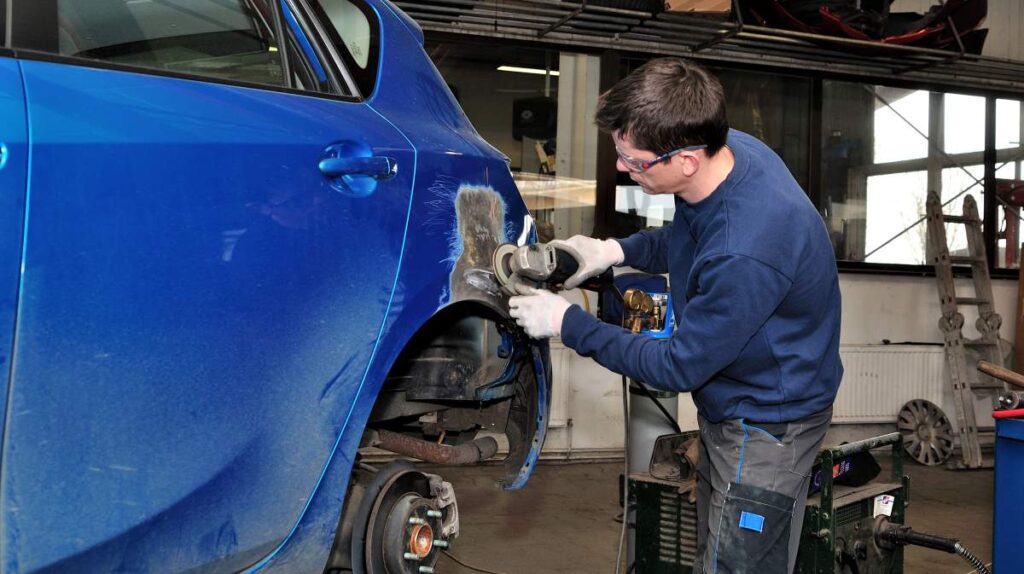
What Is Considered Collision Damage?
Collision damage refers to harm sustained by a vehicle’s exterior or underlying structure due to a physical impact. This often happens in traffic accidents, parking mishaps, or seasonal weather events common in Sioux City, IA, such as icy road incidents. It includes both visible issues like dents and less obvious problems affecting a car’s performance or safety systems.
What Are the Most Common Types of Collision Damage?
Collision damage typically falls into several categories, based on which areas are affected and how the impact occurs. In Sioux City, frequent causes include winter weather, crowded parking lots, and intersections with heavy traffic flow.
- Body Panel Dents and Scratches
The most visible collision damage often impacts doors, fenders, bumpers, and hoods. These areas absorb force when another vehicle, object, or even a shopping cart contacts the car. Scratches can range from surface-level abrasions in the paint to deeper gouges through to the metal.
- Bumper Damage
Bumpers are designed to absorb minor impacts but often suffer cracks, splits, or misalignment after a collision. Modern bumpers may also contain sensors for parking assist or warning systems that can be damaged even if cosmetic harm looks minor.
- Frame Damage
Structural frame misalignment is one of the most serious forms of collision impact. This can occur in moderate to severe crashes—even at lower speeds if the impact is at the right angle. Signs of frame damage include doors that don’t close properly, uneven gaps around panels, or handling problems. Area residents should be aware that the freeze-thaw cycles in the region can expand undetected problems if left unaddressed.
- Suspension and Wheel Damage
A hard curb strike during a skid or collision can bend suspension components or damage wheels. Residents often encounter this type of damage after losing traction on icy streets or during spring pothole season. Symptoms may include vibrations, odd noises, or pulling to one side while driving.
- Glass and Headlight Damage
Windscreens, side windows, and headlights are vulnerable to cracks, chips, or shattering on impact. Even minor fender benders can cause hidden breaks in headlight housings or small chips in glass, which can worsen over time during freeze events.
How Does Hidden Collision Damage Occur?
Not all harm is immediately visible after a collision. Hidden issues often develop beneath the surface panels and can be just as problematic as visible dents.
Some examples of hidden damage include:
- Crunched or bent internal brackets supporting the bumper or fenders
- Mild frame tweaks that affect how a car drives rather than its appearance
- Electronic sensor displacement, especially in vehicles with advanced driving aids
- Fluid leaks resulting from cracked radiators or hoses
Local drivers sometimes discover hidden problems days or weeks after even a minor impact, particularly during temperature swings that cause materials to contract and expand.
Can Weather and Road Conditions Affect Collision Damage?
Sioux City’s climate, including icy roads, wind-blown debris, and rapid weather changes, can increase both the likelihood and complexity of collision damage.
- Winter impacts: Slippery surfaces result in more low-speed bumps and curb strikes, particularly on neighborhood streets and parking lots. These sometimes seem minor but can affect alignment or knock electronic components loose.
- Salt corrosion: Road salt used during winter can worsen even small scratches or chips, allowing rust to develop faster on exposed metal.
- Hail and debris: Spring hailstorms occasionally cause roof, hood, and trunk dents that appear as pockmarks but can weaken panels if left untreated.

Are There Safety Concerns With Certain Types of Collision Damage?
Some collision impacts can compromise safety systems, especially in modern vehicles that rely on sensors, airbags, and crumple zones.
Safety-critical damage may include:
- Misaligned airbags or sensors, making them unreliable in another collision
- Damaged doors or locks that may stick in an emergency
- Headlight or taillight misalignment, reducing visibility at night or in fog
It’s helpful for area households to know that some damage, like cracked bumpers or fender misalignment, may affect how a vehicle responds in future impacts by changing energy absorption patterns.
How Do Collision Damage Assessments Work?
A typical assessment starts with a visual inspection followed by testing lights, sensors, and sometimes frame measurements. For instance, after a parking lot scrape, the initial impression may be only a scratch, but an assessment could reveal sensor disruption or even a slight bend to underlying mounts. During harsh winters, local inspectors may also look for salt exposure or swelling paint pointing to early corrosion.
What Are Common Misconceptions About Collision Damage?
Many people believe that if damage seems minor—such as a small dent or scratched paint—it’s just cosmetic. However, even less obvious harm can cause:
- Noise or vibration
- Water leaks into trunk or passenger area
- Reduced resale value from unaddressed corrosion
Another misconception is that newer vehicles only need repairs for visible harm; in fact, newer models are more likely to have essential sensors hidden behind undamaged surfaces.
Residents should also know that minor curb or pothole impacts during Sioux City’s thawing seasons are a frequent cause of suspension tweaks or steering misalignment, which can lead to uneven tire wear and reduced driving safety.
Is Frame Damage Always Obvious After a Crash?
Not necessarily. Frame bends or misalignments, even slight ones, don’t always manifest as crumpled panels or visible gaps. Subtle handling changes, tire wear, or doors being hard to close can appear weeks after an incident. Given the local climate and road conditions, these issues can develop gradually as weather extremes put additional stress on existing damage.