
 See My Latest Article on HelloNation
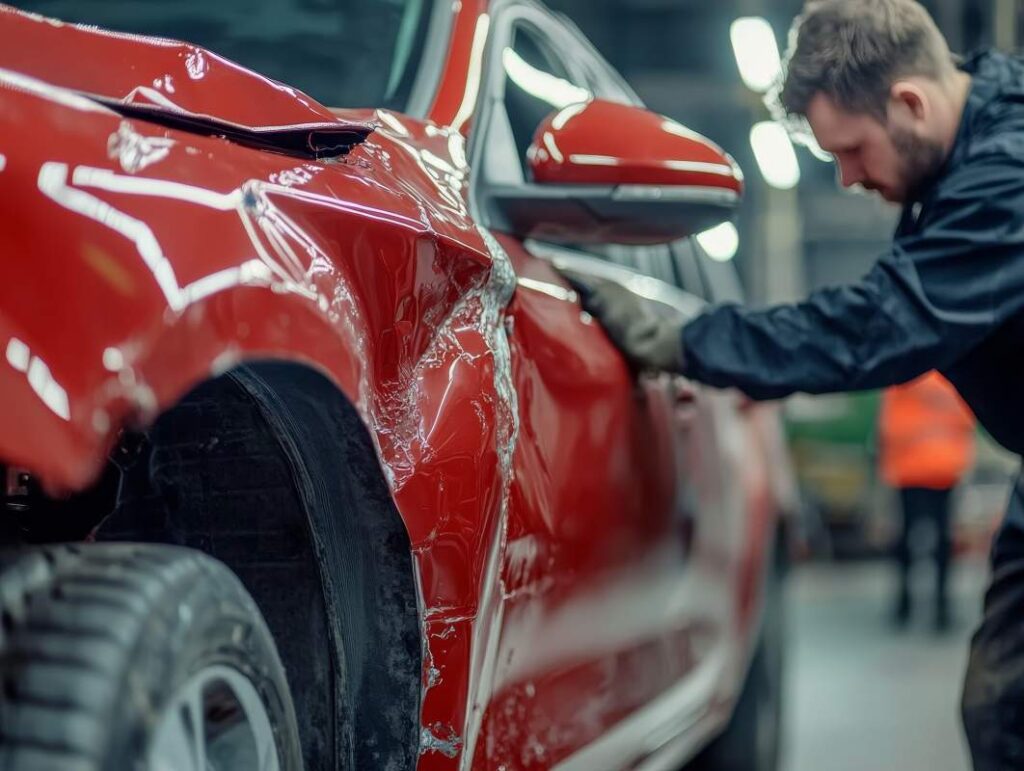
Why should a vehicle owner get a second opinion?
A second opinion can reveal repair steps, damage, or costs that were not included in the first estimate. It can also help explain why two estimates differ without automatically meaning that either one is wrong.
Collision estimates are often prepared before the vehicle is fully disassembled. A visible dent, cracked bumper, or damaged door may conceal bent brackets, damaged sensors, wiring problems, or changes in the vehicle’s structure. The initial estimate may therefore be revised after repairs begin.
A second review is especially useful when:
- The estimate seems unusually low or unusually high.
- The vehicle has warning lights, alignment problems, or unusual noises.
- The estimate does not mention safety systems such as airbags, cameras, radar, or parking sensors.
- The insurer’s estimate and a repair facility’s estimate differ substantially.
- The vehicle is newer, has specialized materials, or includes advanced driver-assistance features.
- The proposed repairs involve replacing versus repairing a major panel.
- The owner does not understand what is included, excluded, or marked as uncertain.
The purpose is not necessarily to challenge the first estimate. It is to make sure the scope of work is clear and that safety-related repairs are not overlooked.
What should be compared between two estimates?
The total price is only one part of the comparison. Review the line items and the assumptions behind them.
Look for differences in:
- Labor hours and labor rates
- Parts listed for replacement
- Original-equipment, recycled, or aftermarket parts
- Repair versus replacement decisions
- Paint materials and paint labor
- Blending paint into nearby panels
- Structural measurements and alignment checks
- Wheel alignment or suspension inspection
- Scanning, calibration, and diagnostic procedures
- Removal and reinstallation of trim or interior components
- Corrosion protection, seam sealer, and weld-related procedures
- Towing, storage, rental transportation, and other related charges
- Deductibles, betterment, depreciation, or items not covered by the policy
Two estimates may have different totals simply because they describe different levels of work. For example, one may include replacing a damaged bumper reinforcement while another lists only the outer bumper cover. One may include sensor calibration while another leaves it as a possible supplement.
Ask for an explanation of every major difference in plain language. A useful second opinion should identify what each estimate includes, not just state that one price is higher.
Is the insurance company’s estimate final?
Usually, the first insurance estimate is not the final repair plan. Insurers commonly inspect visible damage first, while additional damage may be documented after disassembly.
In Iowa, a written estimate used to settle a covered partial-loss claim is expected to be reasonable and sufficient to allow repairs to be completed in a workmanlike manner. If a written estimate obtained by the insured shows that necessary repairs will cost more, the insurer may need to address the difference or identify a repair facility that can complete the work for the original amount, subject to the policy and applicable rules.
That does not mean every difference is automatically covered. The dispute may involve a deductible, excluded damage, prior damage, wear, policy limits, or a disagreement about the proper repair method.
Ask the insurer for a copy of the estimate on which the settlement is based. Keep the first estimate, the second estimate, photographs, messages, and any revised supplements together.
Can an insurer require a specific repair facility?
An insurance company may have preferred repair facilities or direct-repair arrangements, but an estimate does not by itself settle every question about where the vehicle must be repaired. Iowa insurance rules address unreasonable requirements to travel to a particular location for an estimate or repair.
Before authorizing work, ask these questions:
- Is the repair facility required by the policy, or is it simply suggested?
- Who is responsible if the final repair costs exceed the initial estimate?
- Will the insurer approve supplements for hidden damage?
- Are parts restrictions based on the policy, the vehicle’s age, or another factor?
- What documentation is needed for a different repair method?
- Will the insurer pay for required scans, calibrations, or corrosion protection?
The vehicle owner remains responsible for understanding the repair authorization and any amount that the policy does not cover.
What makes a second opinion useful?
A meaningful second opinion should involve more than looking at photographs or comparing two totals. The reviewer should examine the damage carefully and explain the likely repair process.
Useful information may include:
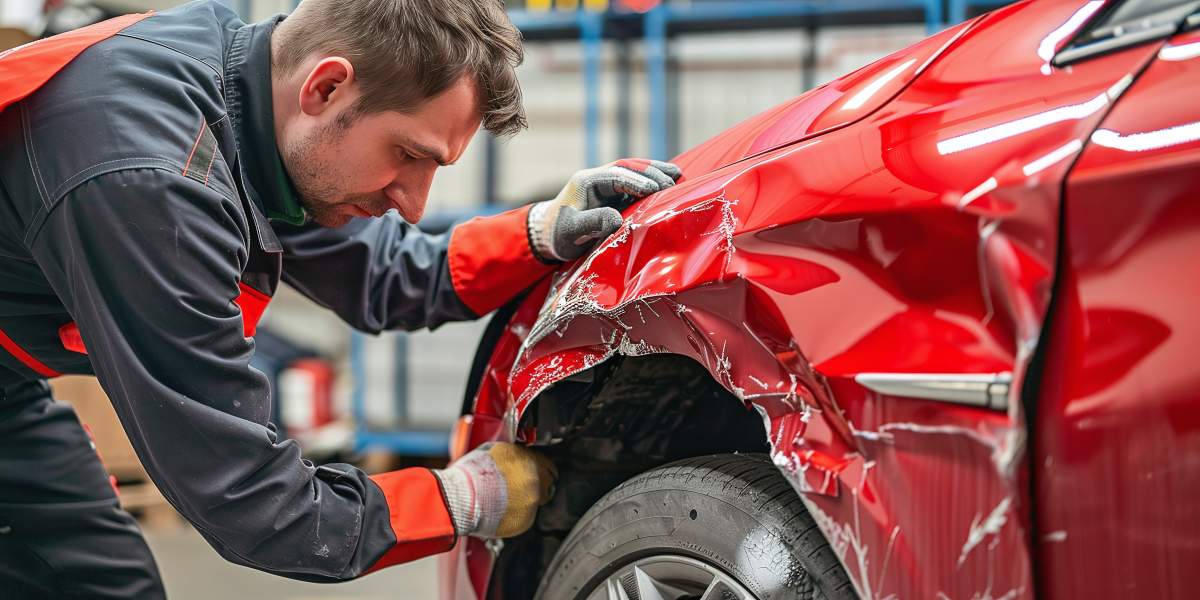
- Clear photographs of each damaged area
- The insurance estimate and any supplements
- Vehicle identification information
- Mileage and prior repair history
- Dashboard warning messages
- Notes about pulling, vibration, unusual sounds, or difficulty opening doors
- Information about whether airbags deployed
- Documentation of alignment or calibration concerns
If the vehicle can be driven, handling problems should not be ignored. A vehicle that pulls, has a crooked steering wheel, shows fluid leakage, or has unstable braking may need to be evaluated before ordinary driving continues.
In winter, road salt, freezing temperatures, potholes, and repeated thawing can make suspension or underbody concerns more consequential. A small impact that appears cosmetic may deserve closer attention if the vehicle later develops alignment, tire-wear, or steering symptoms.
What should happen if the estimates disagree?
Start by identifying the exact line items in dispute. Ask for a written explanation rather than relying only on a verbal difference in price.
The disagreement may concern:
1. Whether a part can be repaired safely.
2. Whether a part must be replaced.
3. Which type of replacement part is permitted.
4. Whether hidden damage is related to the collision.
5. Whether a sensor or camera requires calibration.
6. Whether prior damage is being included in the current claim.
7. Whether a procedure is necessary under the vehicle manufacturer’s repair requirements.
Send the second estimate and supporting photographs to the claim representative. Ask which items are accepted, denied, or still under review. If the insurer will not approve a necessary repair, request the reason in writing and ask what documentation would be needed for reconsideration.
For some policy disputes, the insurance contract may contain an appraisal process. Appraisal generally addresses the amount of loss rather than questions such as whether the policy covers a particular type of damage. Review the policy carefully before treating appraisal as the answer to every disagreement.
What should be checked before authorizing repairs?
Before signing, confirm that the authorization identifies the vehicle, the estimated work, and how additional damage will be handled. Iowa motor-vehicle service rules generally require consumers to be informed about the right to receive a written or oral estimate when the anticipated repair cost exceeds the applicable threshold. Additional necessary work should not simply be added without appropriate authorization.
A careful review should also address:
- The estimated completion date
- The labor rate and categories of labor
- The parts proposed for use
- The deductible and other out-of-pocket amounts
- The process for approving supplements
- Whether personal items have been removed from the vehicle
- How storage or transportation charges may accumulate
- Whether the vehicle will receive a final safety inspection and road test
Do not assume a verbal promise will appear in the final paperwork. Important agreements should be documented.
When is a second opinion most valuable?
A second opinion is most valuable before repairs begin, before a settlement is accepted, or before an owner pays a disputed balance. It may still help after disassembly if hidden damage is discovered, but resolving differences early can reduce delays and confusion.
For residents dealing with collision damage in Sioux City, changing weather, winter road conditions, and the practical need for dependable transportation make clear documentation especially useful. A second opinion cannot guarantee a higher insurance payment or a lower repair bill, but it can help determine whether the proposed work addresses the vehicle’s appearance, operation, and safety together.