

 See My Latest Article on HelloNation
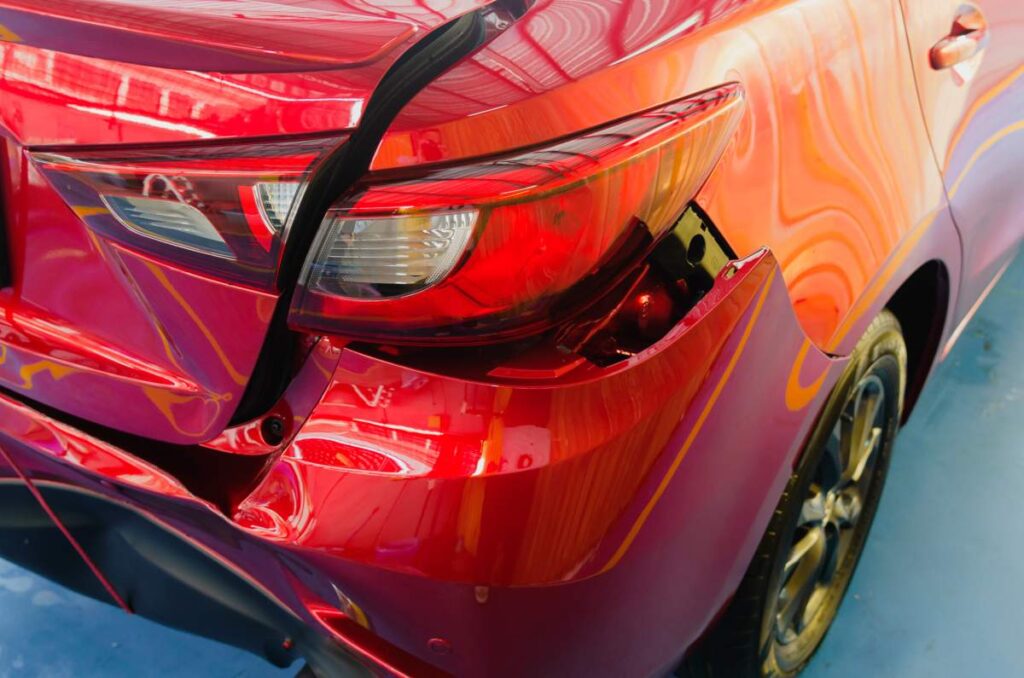
A collision can leave a vehicle looking badly damaged while its underlying structure remains sound. The opposite can also happen: a vehicle may show only a small dent or scrape while important structural or safety components have been affected underneath.
Understanding the difference between cosmetic and structural damage helps vehicle owners make safer decisions after a crash, parking-lot impact, hailstorm, or collision with an animal.
What is cosmetic damage?
Cosmetic damage affects the vehicle’s appearance without significantly changing its structure, steering, braking, restraint systems, or ability to protect occupants. Typical examples include dents, scratches, chipped paint, scuffed bumpers, and broken exterior trim.
Common cosmetic damage may involve:
- A shallow dent in a door, hood, or fender
- Scratches that remain in the paint or clear coat
- Paint transfer from another vehicle or object
- A cracked grille or damaged emblem
- Scraped plastic on a bumper cover
- Minor hail dents
- A bent license plate or exterior trim piece
Cosmetic damage can range from barely noticeable to extensive. A vehicle may look unattractive or lose value even when it remains mechanically safe to drive. However, appearance alone does not prove that the damage is only cosmetic.
For example, a bumper cover may be scraped while the reinforcement bar behind it is bent. A fender may appear to have a simple dent while the mounting area beneath it has shifted. This is why visible damage should not automatically be treated as harmless.
What is structural damage?
Structural damage affects the parts that support the vehicle, maintain its shape, or manage crash forces. These components are designed to keep the passenger compartment stable and help distribute impact energy during a collision.
Structural areas can include:
- Frame rails
- Unibody rails and pillars
- Roof supports
- Rocker panels
- Floor sections
- Suspension mounting points
- Front or rear structural sections
- Crumple zones
- Parts that connect the body to the suspension or powertrain
Most modern passenger vehicles use a unibody design rather than a separate frame. In a unibody vehicle, the body and structural shell work together as one engineered unit. Damage may therefore involve the body shell, welded sections, pillars, floor, or mounting points rather than a single visible frame member.
Structural damage does not always create dramatic wrinkles or a visibly bent frame. A vehicle can have measurements outside the manufacturer’s specifications even when the damage is difficult to see without proper inspection equipment.
How can a driver tell the difference?
A driver usually cannot confirm the difference through a visual walk-around alone. Cosmetic damage is more likely when the affected area is limited to surface paint, trim, or a replaceable outer panel and the vehicle operates normally. Structural damage becomes more concerning when the collision affects alignment, doors, suspension, safety systems, or the shape of the vehicle’s body shell.
Warning signs that may indicate more than surface damage include:
- Doors, the hood, or the trunk no longer open or close evenly
- Uneven gaps between body panels
- The vehicle pulls to one side
- The steering wheel is off-center while driving straight
- Tires show unusual wear after the collision
- A wheel appears tilted or sits farther forward or backward than the other wheel
- Fluid is leaking
- The windshield, side glass, or roof area has shifted or cracked
- Warning lights appear on the instrument panel
- Airbags or seat belts have deployed
- The vehicle makes new rubbing, scraping, clunking, or grinding sounds
These signs do not prove structural damage by themselves. They do indicate that the vehicle needs more than a simple visual judgment.
Can a small crash cause structural damage?
Yes. The size of the dent does not reliably indicate the seriousness of the damage. A low-speed impact can affect a suspension mounting point, sensor, radiator support, or bumper reinforcement. A curb strike may damage steering or suspension components without leaving much body damage. A rear impact can affect the trunk floor or rear body structure beneath a bumper cover.
Modern vehicles also contain sensors and restraint-system components in areas that may not look damaged. A collision can affect airbag sensors, seat-belt pretensioners, parking sensors, cameras, radar components, or wiring. Some problems may not appear until the vehicle is scanned, aligned, or driven.
This is particularly relevant during winter driving in Sioux City, IA. Snow, ice, reduced visibility, and slippery pavement can produce impacts that seem minor at first. A vehicle that strikes a curb, snow-covered obstruction, or another vehicle may have hidden wheel or underbody damage even if the exterior damage looks limited.
Is it safe to drive with cosmetic damage?
It may be safe to drive with strictly cosmetic damage, but that determination depends on what was affected. A loose bumper cover, exposed sharp metal, damaged lighting, leaking fluid, or a displaced wheel can create a safety problem even if the damage began as an appearance issue.
Before driving, check whether:
- Headlights, brake lights, and turn signals work
- Tires are intact and properly seated
- No fluid is leaking
- The hood, doors, and trunk latch securely
- The bumper or other panels are not dragging
- The steering feels normal
- No warning lights indicate a restraint, braking, or stability-system problem
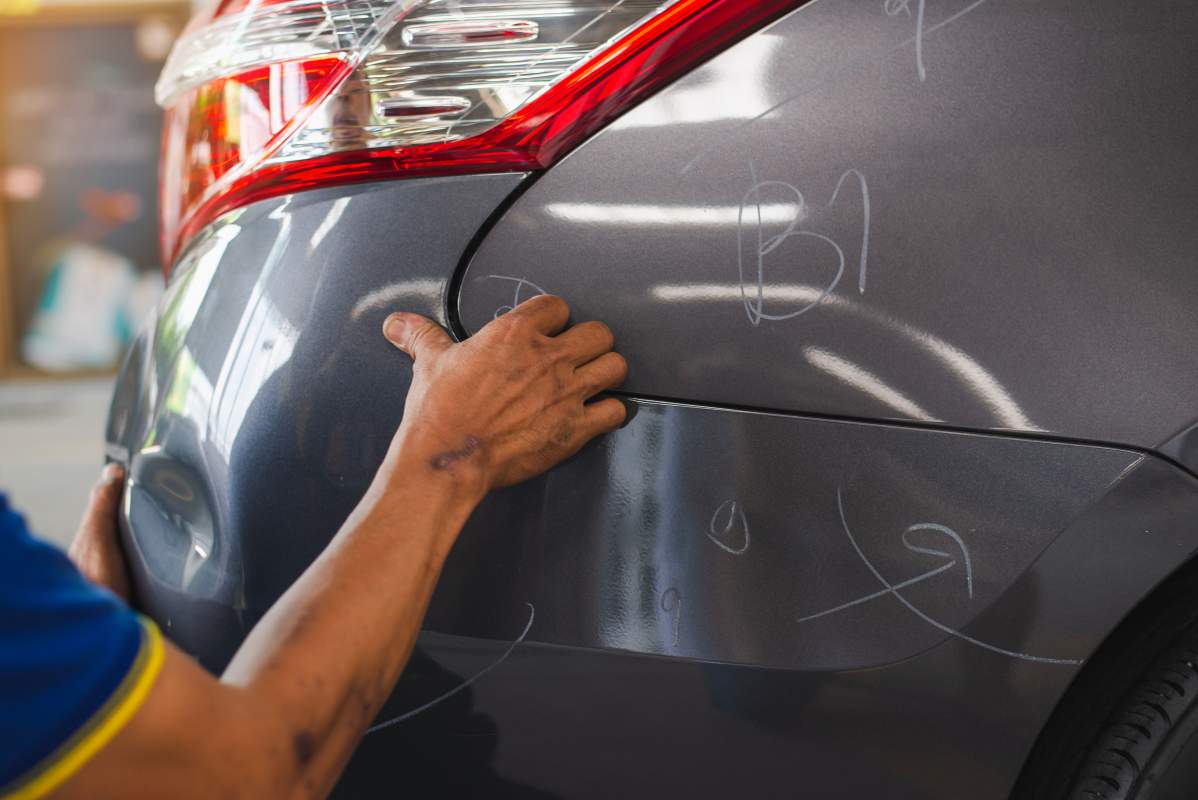
If a wheel is visibly damaged, the vehicle pulls sharply, a safety warning light is active, or a fluid is leaking, driving can increase the risk of additional damage or loss of control. In those situations, avoiding operation until the vehicle is properly evaluated is the safer choice.
What happens if structural damage is repaired incorrectly?
A vehicle with structural damage must be restored according to the manufacturer’s repair procedures and dimensional specifications. If the structure is not returned to the correct position, several problems can result.
Possible consequences include:
- Uneven tire wear
- Poor steering or handling
- Doors and panels that do not fit correctly
- Wind or water leaks
- Reduced crash protection
- Incorrect airbag or seat-belt performance
- Repeated alignment problems
- Premature wear of suspension or drivetrain components
A vehicle may look straight after repair but still have incorrect measurements. Structural repairs often require a controlled measuring process, proper anchoring, approved joining methods, and verification after the work is completed.
How do insurance and vehicle records treat the damage?
Insurance decisions generally depend on the extent of damage, repair cost, vehicle value, policy terms, and state requirements. Cosmetic damage may be repaired or left unrepaired by choice, while structural damage can lead to more extensive claim decisions.
If a vehicle is classified as a total loss or receives a branded title, that history can affect future registration, resale, financing, and insurance. The exact process depends on the circumstances and applicable Iowa requirements.
A damage history can also matter when buying or selling a used vehicle. A professional inspection, repair documentation, alignment information, and safety-system verification may provide a clearer picture than photographs alone.
What should vehicle owners do after a collision?
Start by checking for injuries and immediate hazards. Move away from traffic if the vehicle can be operated safely, document the scene, and avoid making assumptions based only on the visible dent.
Useful observations include:
- The direction and approximate severity of the impact
- Warning lights that appeared afterward
- Whether the vehicle drives differently
- Whether doors, hood, or trunk function normally
- Any fluid, glass, or loose parts on the ground
- Damage underneath the vehicle or around the wheels
The central distinction is simple: cosmetic damage changes how a vehicle looks, while structural damage can change how it supports the vehicle, protects occupants, or responds on the road. Because hidden damage is common, safe decisions should be based on the vehicle’s operation, safety systems, measurements, and affected components—not appearance alone.