

 See My Latest Article on HelloNation
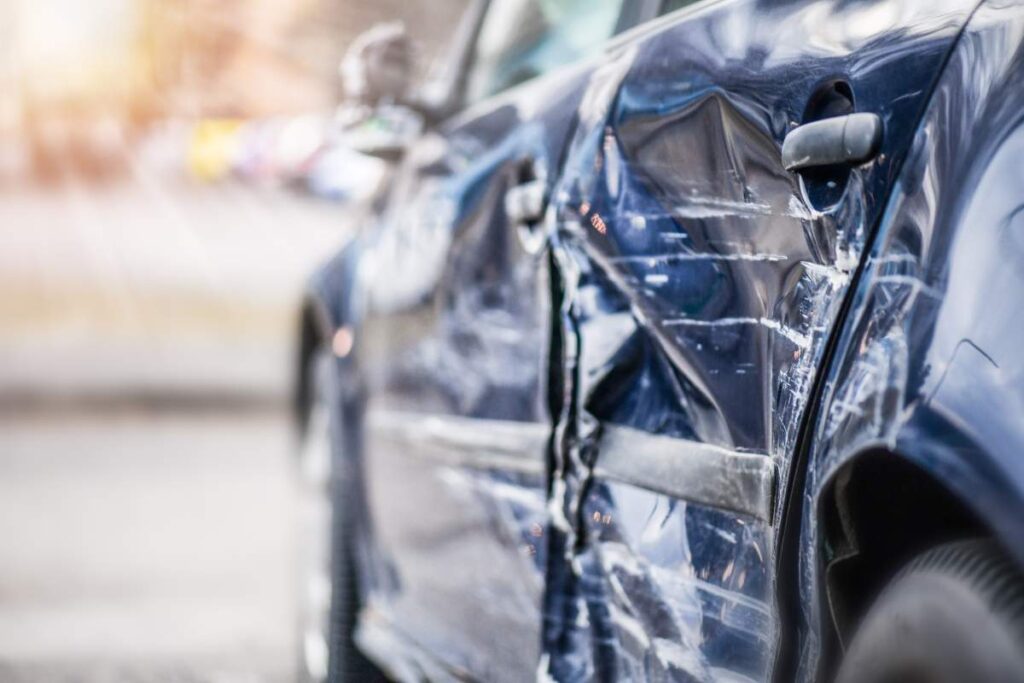
A vehicle is generally considered a total loss when the cost of repairing it is too high compared with its pre-crash value, or when the damage makes returning it to safe operating condition impractical. “Total loss” does not necessarily mean the vehicle is completely destroyed. It usually means the insurer believes paying for the vehicle’s value is more reasonable than paying for repairs.
For residents of Sioux City, the decision is shaped by Iowa title rules, the insurance policy, the vehicle’s actual cash value, and the estimated cost of restoring it.
How does an insurance company decide that a car is totaled?
The insurer compares the vehicle’s actual cash value with the projected repair cost and related expenses. Actual cash value means what the vehicle was worth immediately before the collision, considering factors such as:
- Year, make, model, and trim level
- Mileage and overall condition
- Prior damage or repair history
- Optional equipment
- Local and regional vehicle-market data
- Comparable vehicles currently available for sale
The repair estimate may include more than visible body damage. It can include structural repairs, airbags, sensors, suspension components, paint materials, scanning, calibration, towing, storage, rental-car expenses, and hidden damage discovered after disassembly.
A car with seemingly manageable exterior damage may therefore become a total loss once the full repair process is evaluated.
Is there a specific total-loss percentage in Iowa?
Iowa generally treats a vehicle as wrecked or salvaged when repair costs exceed 70 percent of its fair market value. This threshold is associated with Iowa’s salvage-title process and is an important benchmark for determining whether a vehicle has sustained enough damage to require salvage treatment.
Insurance companies may also use their own claim-settlement calculations. A total-loss decision can occur because projected repair costs approach or exceed the vehicle’s value, even when the initial estimate appears to be below a simple percentage threshold. The insurer may account for expected supplemental damage, related costs, and the likelihood that repairs will continue to increase after work begins.
For that reason, the 70 percent figure should not be treated as a guarantee that every vehicle below that percentage will be repaired or that every vehicle above it will be handled identically.
Why can an older car be totaled after a moderate crash?
Older vehicles often have a lower market value, even when they remain dependable transportation. Because the value is lower, a relatively modest repair bill can represent a large percentage of the vehicle’s worth.
For example, suppose a vehicle is worth $8,000 before a collision. Repairs estimated at $5,800 may place it near or above the point where the insurer considers it uneconomical to repair. A newer vehicle with the same damage might be worth enough that the repairs remain financially reasonable.
This is why a vehicle can be declared a total loss even if the passenger compartment appears intact and the engine still runs.
What types of damage can lead to a total loss?
Collision damage is only one possibility. A vehicle may be totaled because of:
- Extensive frame or unibody damage
- Airbag deployment and restraint-system damage
- Flood or water intrusion
- Fire or electrical damage
- Severe hail damage
- Theft recovery damage
- Damage to multiple safety systems
- Corrosion or pre-existing damage that complicates repairs
In Northwest Iowa, winter crashes may involve more than a single impact. A vehicle can strike another car, a curb, a guardrail, or a snowbank in the same event. Road salt, freeze-thaw cycles, and earlier corrosion can also affect fasteners, panels, brake components, and structural areas. These conditions may not be obvious in photographs taken immediately after a crash.
Does a total loss mean the car cannot be repaired?
No. A totaled vehicle may be repairable, but the insurer has determined that repair costs do not make financial sense compared with the vehicle’s value. Salvage yards, rebuilders, or individual owners may decide that repairing the vehicle is worthwhile because they have access to lower parts costs, used components, or labor resources.
Safety is a separate question from financial feasibility. A vehicle that can technically be repaired still needs proper structural measurement, replacement of damaged safety components, and verification of systems such as airbags, seat belts, sensors, steering, and braking.
After an Iowa vehicle is classified as wrecked or salvaged, the title process changes. A salvage designation is placed on the vehicle’s title record. Additional inspection and documentation may be required before it can be titled for road use again. A salvage history generally remains part of the vehicle’s record, even after repairs are completed.
How is the insurance payment calculated?
The basic calculation usually starts with the vehicle’s actual cash value immediately before the loss. The settlement may then be adjusted for items such as:
- The insurance deductible
- Salvage value if the owner keeps the vehicle
- Applicable taxes or fees, depending on the claim and policy
- Amounts owed to a lender
- Prior damage or condition issues
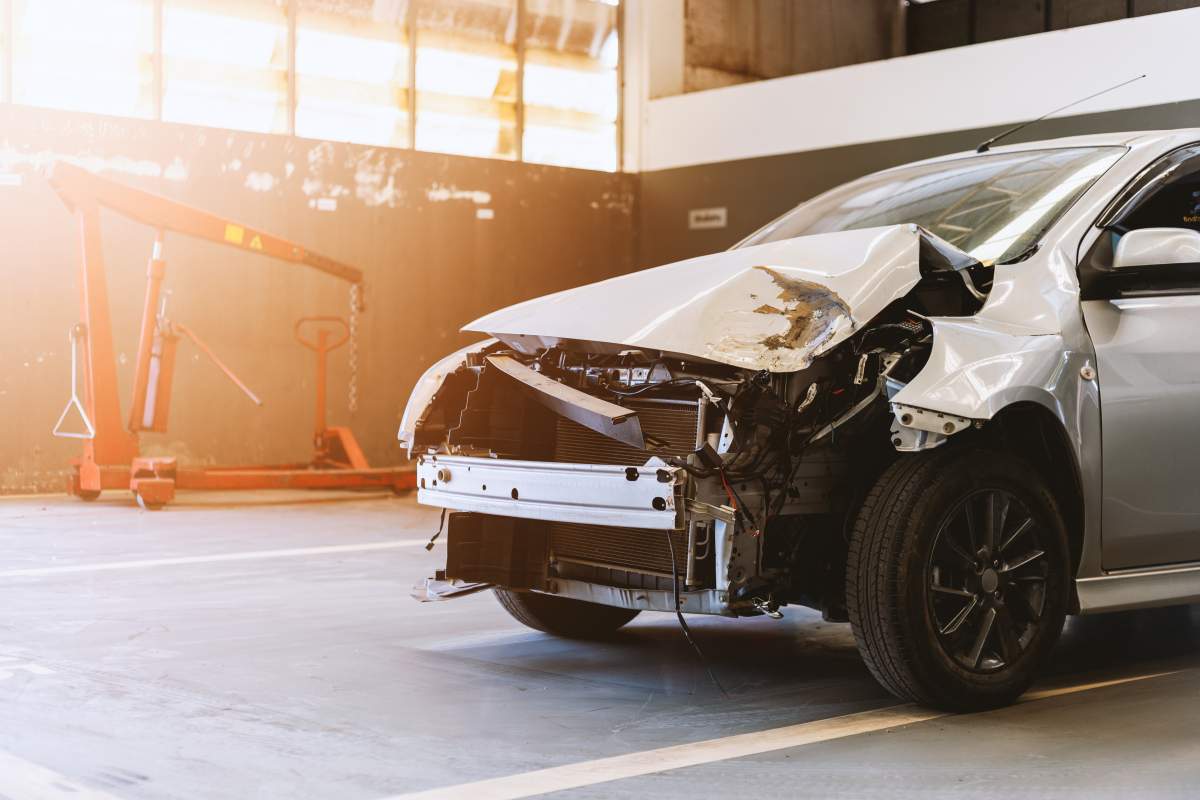
If a vehicle is worth $14,000 and the policy has a $1,000 deductible, the initial settlement may be approximately $13,000 before other adjustments. If the loan balance is $17,000, the owner may still owe the difference unless gap coverage or another form of protection applies.
The settlement is based on the vehicle’s pre-loss value, not the amount still owed on an auto loan and not necessarily the cost of buying a newer replacement.
What should an owner review before accepting the valuation?
An owner should carefully check the valuation report for factual errors. Useful items to review include:
- Correct year, trim, engine, and drivetrain
- Accurate mileage
- Listed options such as heated seats, advanced safety equipment, or upgraded audio
- Condition before the crash
- Prior maintenance and documented improvements
- Comparable vehicles used in the calculation
- Adjustments for differences between the damaged vehicle and the comparisons
Photos, service records, purchase documents, and listings for genuinely comparable vehicles may help show that the value calculation needs correction. Comparable vehicles should match closely in year, equipment, mileage, condition, and market area. A higher-priced vehicle with substantially different equipment may not be a strong comparison.
The insurance policy controls the claim, so valuation disagreements should be handled through the insurer’s review or appraisal procedures when available. Iowa insurance rules also address how certain first-party total-loss settlements are calculated and documented.
Can an owner keep a totaled vehicle?
Sometimes an owner may choose to retain the vehicle, but the insurance payment is normally reduced by the vehicle’s salvage value. The owner also becomes responsible for repairs, inspections, title requirements, registration issues, and future resale limitations.
An Iowa salvage vehicle cannot simply be repaired and treated as though it never had serious damage. The salvage designation must be handled through the required state process. Before deciding to keep one, an owner should understand the total cost of parts, labor, inspections, taxes, towing, storage, and possible delays.
A retained salvage vehicle may also be difficult to insure for physical damage. Some insurers may offer limited coverage, while others may decline certain coverages based on the vehicle’s title history.
What is the practical difference between repairable damage and a total loss?
Repairable damage means the insurer expects the vehicle can be restored safely and economically within the policy and state requirements. A total loss means the projected financial cost, safety concerns, or title implications make repairing the vehicle less practical than settling its value.
The decision is not based solely on how the vehicle looks. Hidden structural damage, modern driver-assistance components, deployed restraints, parts availability, and the vehicle’s pre-crash market value can all affect the outcome. Understanding those factors helps explain why two vehicles involved in similar crashes may receive different claim decisions.