

 See My Latest Article on HelloNation
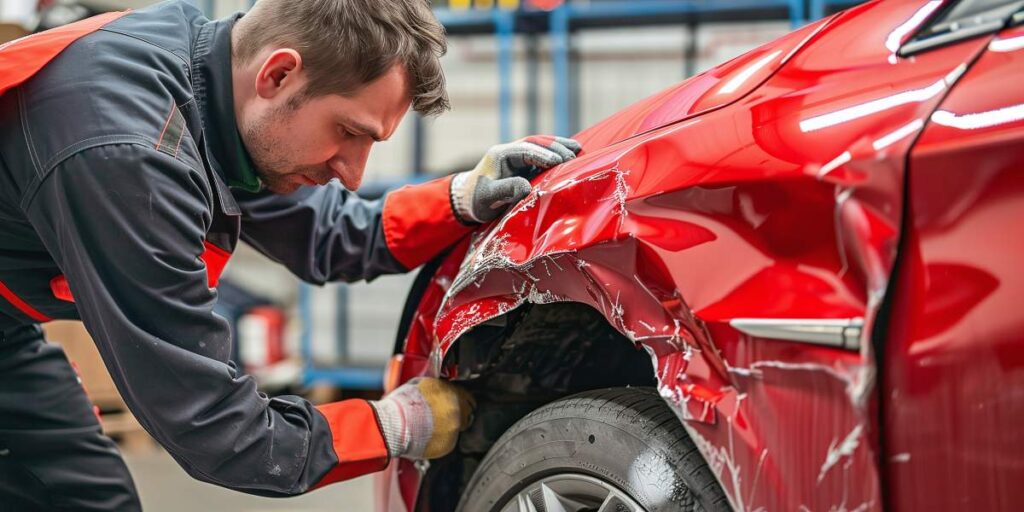
A collision can leave more than visible dents and scratches. Scraped paint, bent panels, exposed metal, damaged seams, and trapped moisture can begin the rust process quickly, especially if the vehicle is driven through wet weather, road spray, or winter deicing residue.
In Sioux City, changing seasons can make post-accident corrosion more likely. Cold weather, moisture, freeze-thaw cycles, and road treatments can work their way into damaged areas. Prompt inspection and careful temporary protection can help prevent a small cosmetic problem from becoming structural damage.
Why can a car begin rusting after an accident?
Rust starts when bare steel is exposed to oxygen and moisture. A collision can remove or crack several layers that normally protect the vehicle:
- Paint and clear coat
- Primer
- Corrosion-resistant coatings
- Seam sealer
- Underbody protection
- Plastic or rubber trim that keeps water away from joints
Even a shallow scrape can expose metal beneath the finish. A dent may also stretch or crack the paint at its edges, while a damaged bumper, fender, door, hood, or trunk seal can allow water into hidden areas.
Rust does not always appear immediately. Orange discoloration may take days or weeks to become visible, but corrosion can begin underneath chipped paint or inside a damaged panel before the surface looks different.
What should be done immediately after discovering accident damage?
The first step is to inspect the damage in good lighting and identify any exposed metal, loose trim, cracked paint, or water entering the vehicle. If the car is safe to drive, temporary protection can reduce moisture exposure until proper repairs are completed.
Useful short-term steps include:
- Rinse away dirt, salt, and road residue with clean water.
- Dry the damaged area with a clean, soft towel.
- Cover exposed metal with a temporary waterproof automotive covering.
- Keep loose plastic or trim from rubbing against bare metal.
- Remove standing water from the trunk, doors, floor, or spare-tire well.
- Avoid placing tape directly on loose paint if removing it could pull away more finish.
Temporary covering is not a repair. Household paint, permanent adhesive, grease, or thick undercoating can trap moisture or interfere with later refinishing. The goal is to keep the area clean and dry without hiding damage that needs inspection.
If the vehicle has leaking fluids, sharp metal, damaged lights, a door that will not latch, impaired visibility, or a compromised tire or wheel, driving may create a safety hazard. Those issues should be addressed before normal use.
How soon should exposed metal be repaired?
Exposed steel should be repaired as soon as reasonably possible, particularly before repeated rain, snow, or road-salt exposure. There is no dependable “safe” number of days because the risk depends on the size of the damaged area, the type of metal, the vehicle’s coatings, and the weather.
A small chip above the wheel opening may remain stable for a short period in dry conditions. A scraped rocker panel, lower door edge, or wheel well can deteriorate faster because those areas receive water, grit, and road spray.
A proper corrosion-prevention repair generally involves:
1. Cleaning and drying the affected area.
2. Removing loose paint, rust, and damaged coating.
3. Inspecting the underlying metal for thinning, perforation, or distortion.
4. Applying the correct corrosion-resistant primer.
5. Replacing damaged seam sealer or cavity protection where needed.
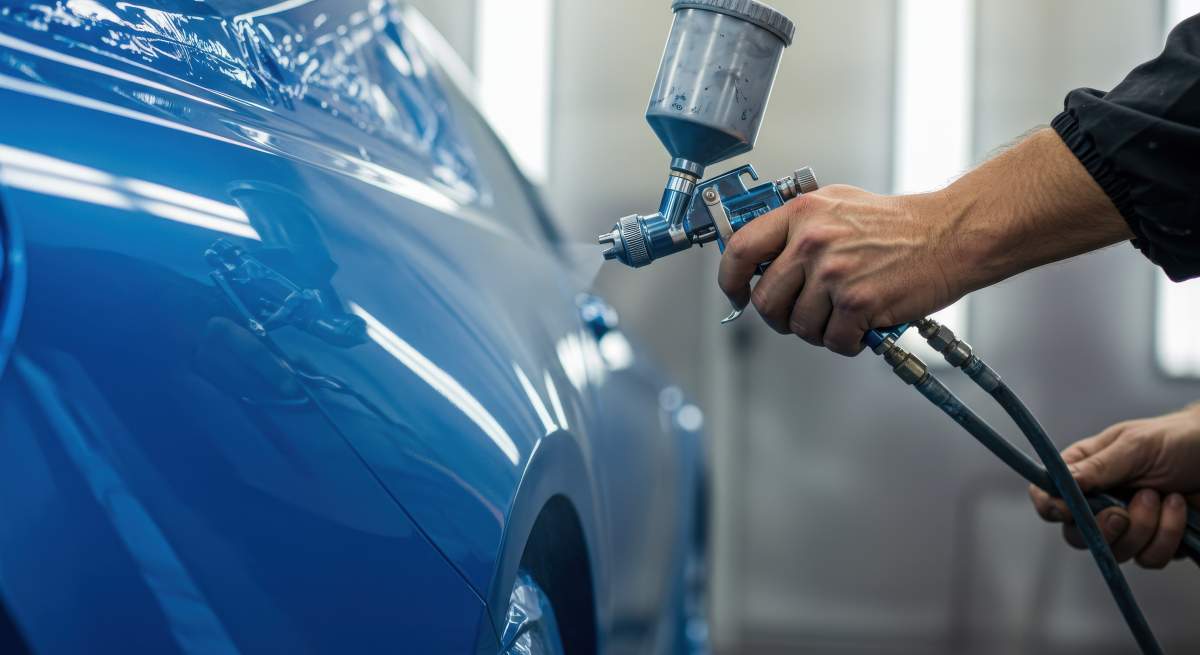
6. Refinishing the exterior surface.
7. Restoring underbody or wheel-well protection without blocking drainage points.
The repair should address both visible and hidden surfaces. Painting only the outside of a damaged panel may leave corrosion developing behind the panel, around fasteners, or along a seam.
Can washing the car prevent rust after a collision?
Regular washing can reduce corrosion risk, but washing alone cannot repair exposed metal or seal a damaged panel. It is most helpful for removing moisture-holding dirt, salt, and road chemicals from the underbody, wheel wells, and lower body panels.
After driving on treated roads or through slush, rinse the lower portions of the vehicle when conditions allow. Pay particular attention to:
- Wheel openings and inner fenders
- Rocker panels
- Lower door edges
- Areas beneath the trunk or rear hatch
- Underside components near the damaged section
- Seams where panels meet
Avoid directing high-pressure water into a cracked seal, open trim edge, damaged lamp housing, or interior opening. Pressure can push water farther into the vehicle. If a collision has created a leak, drying the interior is also necessary because damp carpeting and insulation can cause odors, mold growth, and hidden corrosion.
What hidden damage can lead to rust?
Some of the most serious corrosion problems begin in places that are difficult to see. A collision may shift a panel without obviously breaking the paint, or it may damage a seal that allows water to collect inside a cavity.
Common hidden trouble spots include:
- Behind a bent fender or quarter panel
- Inside a trunk or liftgate
- Beneath carpeting and insulation
- Around door seams and hinges
- Near windshield or back-glass openings
- Inside rocker panels
- Around damaged fasteners and brackets
- Behind wheel-well liners
- Along the floor pan or frame-related structures
Water that enters a cavity may remain there long after the exterior appears dry. Damp debris can hold moisture against metal for extended periods. A musty odor, fogging windows, wet carpeting, bubbling paint, or recurring dampness after rain can indicate a leak that should not be ignored.
Does winter driving increase the risk in Sioux City?
Yes. Winter conditions can accelerate corrosion when exposed metal is repeatedly coated with moisture and deicing residue. Freeze-thaw cycles also expand small openings and can loosen damaged paint, seals, and trim.
Local residents can reduce exposure by:
- Rinsing the underside periodically during winter when temperatures permit.
- Removing packed slush from wheel wells without striking damaged panels.
- Drying water trapped in the trunk, doors, or floor areas.
- Parking in a ventilated space rather than sealing a wet vehicle in a warm, enclosed area.
- Checking the damaged area after major storms or extended wet periods.
A heated garage can help dry a vehicle, but warmth alone does not remove salt residue. A wet, contaminated surface may continue corroding if it is simply warmed without being cleaned.
Can rust be stopped after it has already appeared?
Surface rust can sometimes be removed before it spreads deeply, but visible bubbling or flaking often means corrosion has developed beneath the finish. Rust converters and touch-up products may be unsuitable for large areas, flexible panels, structural components, or places where water is entering.
If rust is left untreated, it can:
- Spread beneath surrounding paint
- Weaken thin sheet metal
- Damage seams and mounting points
- Create holes in body panels
- Allow water into the cabin or trunk
- Make later repairs more extensive
The most reliable approach is to determine how far the corrosion has traveled, remove affected material, restore the protective coatings, and correct any source of water intrusion. Structural rust, perforated metal, or corrosion near suspension, seat, belt, or attachment points requires careful evaluation because appearance alone cannot show whether the vehicle remains safe.
What is the most overlooked step?
The most commonly overlooked step is checking the back side of the damaged area after the vehicle has been washed and driven in wet conditions. Rust prevention is not limited to matching the exterior paint. Seals, drainage paths, fasteners, wheel-well coatings, and interior moisture all matter.
After a collision, watch for changes such as new water leaks, a door that closes differently, paint bubbling, unusual damp smells, or rust-colored stains. Prompt attention to those signs can prevent moisture from turning a repairable finish problem into damage affecting the vehicle’s body, interior, or safety-related components.