

 See My Latest Article on HelloNation
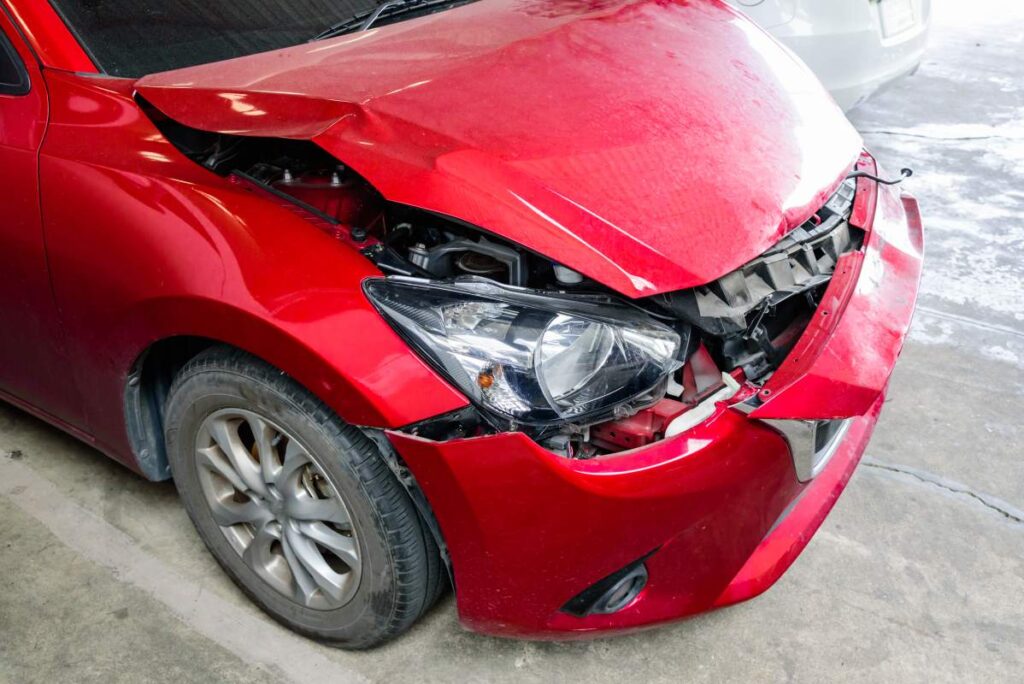
A vehicle can look drivable after a collision and still have damage affecting steering, braking, sensors, or the vehicle’s structural safety. Hidden problems are especially common after low-speed impacts, side collisions, rear-end crashes, and incidents involving snow, ice, or uneven road surfaces.
Why can a vehicle look fine after a crash?
Exterior panels are designed to absorb and distribute crash energy. A bumper cover, grille, fender, or door may hide damage to the parts behind it. Plastic can spring back into place even when brackets, reinforcement beams, mounts, or sensors have moved.
Airbags also do not provide a complete measure of crash severity. They may not deploy during some significant impacts, while a relatively limited-looking collision may activate an airbag or seat-belt pretensioner. The absence of an airbag deployment does not prove that the vehicle is safe to drive.
A vehicle may also continue to start and move normally even when it has:
- A bent suspension component
- A damaged steering linkage
- A shifted bumper reinforcement
- A leaking cooling or air-conditioning system
- Damaged parking or collision-warning sensors
- A compromised seat belt or airbag system
- Misalignment in the body or frame structure
What should be checked before driving?
Before restarting or moving a damaged vehicle, look for immediate warning signs. If there is fuel odor, smoke, leaking fluid, severe tire damage, exposed wiring, or a deployed airbag, avoid driving it.
Check the area around the vehicle for:
- Puddles or fresh drips under the engine bay
- Clear, green, pink, blue, brown, or oily fluids
- A tire that is losing air or sitting at an unusual angle
- A wheel that appears pushed backward or forward in the wheel opening
- Loose plastic, hanging panels, or exposed metal
- Cracked glass that affects visibility
- Doors, hood, trunk, or liftgate that no longer close normally
- A strong smell of fuel, burning plastic, or hot electrical components
A small amount of clear water may come from the air-conditioning system, but fluid that appears after a collision should not be identified by color alone. Coolant, brake fluid, power-steering fluid, transmission fluid, and engine oil can vary in appearance depending on age and vehicle design.
What driving symptoms suggest hidden mechanical damage?
Changes in how the vehicle moves are often more useful than its appearance. A short, cautious check on private property may reveal problems, but a vehicle showing serious symptoms should not be driven on public roads.
Watch for:
- Pulling to one side
- A steering wheel that is no longer centered
- Vibration through the steering wheel, seat, or floor
- Clunking, scraping, grinding, or popping sounds
- Uneven braking or a brake pedal that feels soft
- A vehicle that bounces excessively
- Tires rubbing on wheel wells
- A hood, door, or trunk that shifts while moving
- New warning lights on the instrument panel
- Cruise control, lane-assistance, parking sensors, or automatic braking that no longer function
A bent wheel or suspension part may not be obvious while the vehicle is parked. Even a small change in alignment can cause rapid tire wear, poor handling, or instability on wet, icy, or uneven roads.
That matters during Northwest Iowa winters, when packed snow, ice, potholes, and slush can make a marginal steering or suspension problem more dangerous than it first appears.
How can hidden body and structural damage be identified?
Look for uneven gaps between panels. The space between a hood and fender, door and quarter panel, or trunk and body should generally be consistent. A gap that narrows, widens, or changes direction may indicate that a panel, hinge, mounting point, or underlying structure has shifted.
Paint and surface clues can also help:
- Cracks in paint near a seam or body crease
- Wrinkled metal inside the trunk or under the hood
- New ripples in the floor of the trunk
- Torn seam sealer
- Fresh weld marks or unusual fasteners
- Overspray on rubber seals, trim, or suspension parts
- A bumper that sits unevenly
- A door that requires extra force to latch
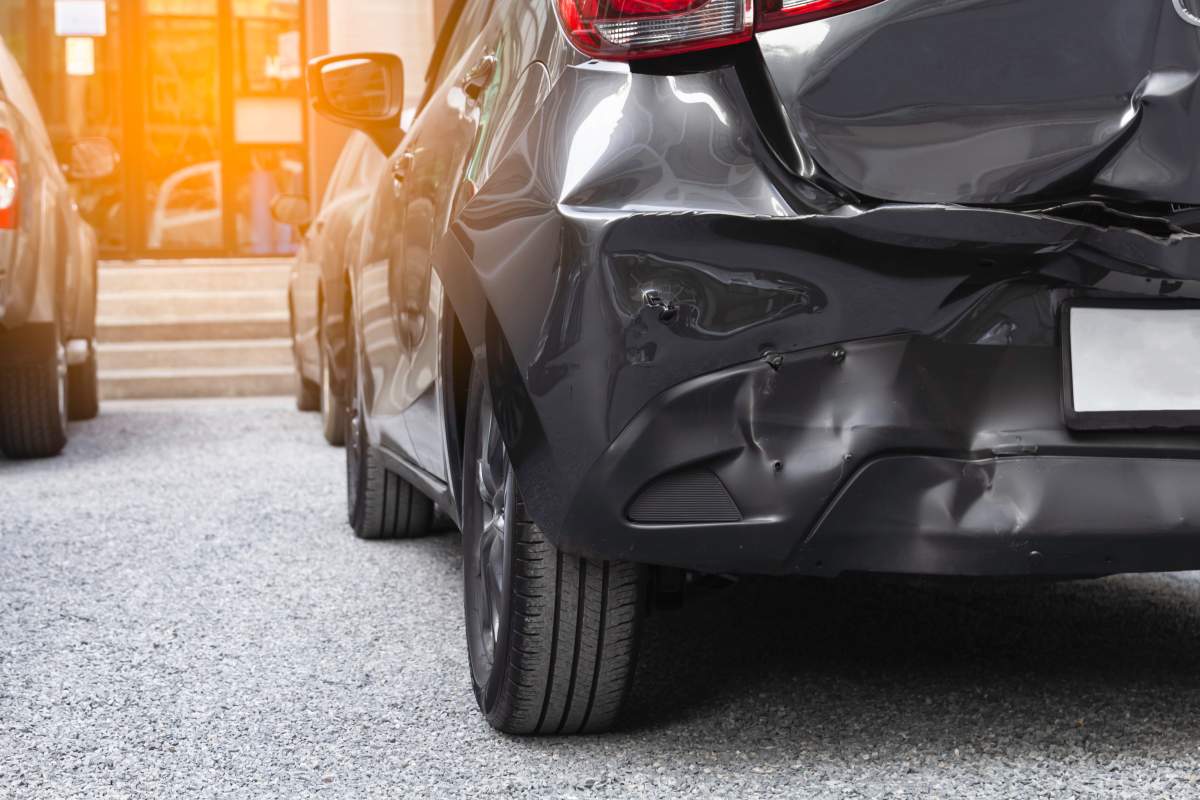
These signs do not always prove structural damage. Some may result from a prior repair or normal wear. They do show that a closer inspection may be necessary before the vehicle is considered safe.
A rear-end impact, for example, may damage the bumper reinforcement, trunk floor, exhaust system, rear body panel, or spare-tire well even if the bumper cover appears mostly intact. A front-corner collision may affect the radiator support, headlamp mounts, wheelhouse, steering, or cooling system.
Could electronic safety systems be damaged?
Yes. Modern vehicles contain sensors and cameras in bumpers, grilles, mirrors, windshields, doors, and behind interior trim. A sensor may look undamaged while its mounting bracket has shifted.
After a crash, check whether:
- The airbag warning light remains illuminated
- The seat-belt warning behaves differently
- Parking sensors give false alerts or stop responding
- A forward-collision or lane-warning feature is unavailable
- The backup camera image is distorted or missing
- Headlights, turn signals, hazard lights, or brake lights work incorrectly
- Multiple warning messages appear after the vehicle is started
Safety systems may require calibration after parts are removed, replaced, or moved. A camera that is only slightly out of position can affect how a driver-assistance feature interprets lane lines, vehicles, or pedestrians.
Airbags and seat-belt pretensioners are not reusable after activation. If an airbag has deployed, the vehicle should not be treated as fully protected simply because the engine runs or the replacement panel looks acceptable.
What hidden damage is easy to miss inside the cabin?
Inspect the interior as well as the exterior. Look for:
- Seat belts that do not retract smoothly
- Belt webbing that is frayed, cut, or locked in place
- Seats that slide unevenly or no longer latch securely
- Broken dashboard panels or steering-wheel covers
- Headliner damage near side-curtain airbags
- Damp carpeting after a broken window or damaged door seal
- New rattles from the dashboard, doors, or roof
- A windshield that has shifted, cracked, or developed new stress marks
Water intrusion deserves attention after a collision, especially during periods of heavy rain or freeze-and-thaw weather. Wet carpet can lead to mold, corrosion, electrical problems, and unpleasant odors if moisture remains under the padding.
When should the vehicle not be driven?
Do not drive if the vehicle has leaking fuel, severe fluid loss, deployed airbags, damaged steering, a loose wheel, brake problems, major tire damage, smoke, exposed high-voltage components, or structural parts that appear displaced.
Even when the vehicle moves, towing may be the safer option if warning lights, handling changes, or fluid leaks appear. A collision-related inspection should include the underside, suspension, steering, brakes, wheel alignment, restraint system, electrical components, and sensor mounting points—not just the visible body panels.
Photograph the vehicle from several angles and document warning messages, leaks, unusual sounds, and changes in handling. Keep records of what happened before and after the crash. In Iowa, serious crashes may also involve reporting and vehicle-title requirements, particularly when damage is extensive or the vehicle is considered a salvage vehicle.
The most reliable clue is not whether the vehicle looks presentable. It is whether every system that helps the vehicle steer, stop, protect occupants, and communicate warnings is still working as designed.